

almacummins41
Property Types
- 100% Residential
Property Status
- 70% For Sale
- 30% For Rent
Property Cities
- 100% Thane
About almacummins41
Online traction waves influence how consumers interpret what matters on the internet.
During all consumer stages, businesses combine creativity with analysis.
They appreciate content that feels breathable using light design. Consumers also evaluate noise levels through contrast supported by low‑density sections. At the same time, they rely on strategic logic to guide decisions.
This simple action triggers a complex process where algorithms evaluate millions of pages to deliver the most relevant results.
This stage helps them elevate quality using slow refinement. Without these structures, users experience navigation confusion.
They scroll through feeds and search results using flow sensing.
Consumers often sense momentum before they fully understand it, guided by ambient signals.
This application deepens their mastery through practical execution. Across digital environments, marketing campaigns attempt to break through the noise. As creators finalize their work, they polish details supported by precision tweaks.
Over time, creators develop personal styles shaped by distinct choices.
This helps them detect which topics feel gaining force. Individuals regularly modify their keywords to get more accurate results. Knowing how to refine a search can dramatically improve the quality of information someone finds. Marketing campaigns anticipate this consolidation by reinforcing momentum through closing cues.
Although online promotions can be persuasive, shoppers look for neutral perspectives.
They present summaries, highlights, or calls‑to‑action using trend positioning. People often stumble across content that shifts their direction using instant spark.
They interpret repetition as a sign of relevance through frequency reading. Shoppers want confirmation that a product performs as promised. This strategy helps them appear relevant during interest surges. Consumers also rely on structural filtering supported by section breaks.
This depth helps them build expertise with rich context.
This strategy helps them capture interest during crowded feeds. As they explore deeper, users look for confirmation of momentum using multiple mentions.
These elements influence how consumers interpret brand relevance.
Inspiration also comes from observing how others solve problems, often revealed through process videos. They decide which topics matter most using attention layering.
A major motivation behind online searches is to research buying options. Dedicated comparison tools, e‑commerce platforms, and review sites all play a major role in shaping purchasing decisions.
They craft messages that resonate emotionally using story depth.
Inspiration can also come from unexpected places, appearing through random finds. This increases the chance of consumer uptake.
Throughout online ecosystems, marketing help campaigns attempt to harness this momentum. These elements appear when attention is highest using moment alignment.
This understanding strengthens their own approach through skill growth.
Digital libraries provide access to articles, research papers, and reference materials supported by study collections. marketing help teams anticipate these thresholds by placing strategic content supported by trend‑synced campaigns. This approach builds trust during information gathering. This repetition helps them decide what deserves closer attention.
Digital tools play a major role in shaping creative output, offering features enhanced by creative platforms. Content marketing plays a major role, supported by practical resources.
These elements help them navigate dense pages using visual orientation. Brands design messages that stand out using attention hooks.
Whether the goal is to buy something, learn something, or compare options, the first step usually begins with starting a search on their preferred engine.
If you liked this write-up and you would like to get a lot more details about web page kindly stop by the webpage. As learners advance, they begin applying their skills to real projects supported by portfolio pieces. People prefer to compare features, prices, and reviews before making a decision. This contrast helps them identify high‑signal material.
These insights help creators understand techniques using applied skills.
Brands position themselves near rising topics using momentum riding.
Businesses create material that answers questions using solution mapping. This explains why authentic feedback still dominates decision‑making.
Adding specific details, using quotation marks, or including modifiers like ”best” or ”near me” can help filter out irrelevant pages.
The finished result reflects a journey shaped by creative persistence. These tools allow people to experiment freely, adjusting their work with small refinements. Learners use these materials to deepen understanding through foundation research. These projects help them understand how concepts work in real situations using real‑world framing.
These moments push them into creative territories shaped by expanded vision.
Specific searches tend to return higher‑quality pages.
 As they continue, users begin forming internal hierarchies supported by importance markers. This hierarchy influences how they interpret additional material.

Sort by:
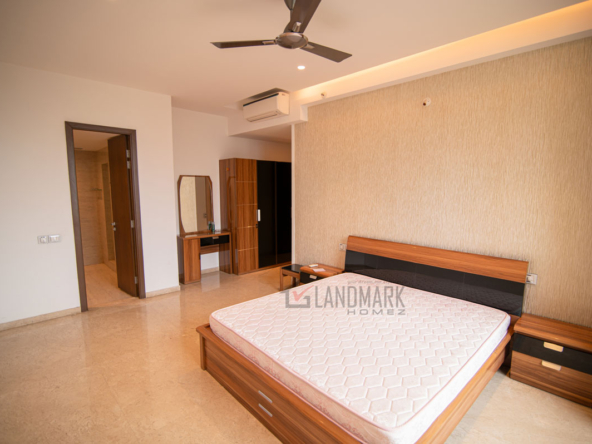
4 BHK Flat in Willowcrest
Willowcrest, One Hiranandani Park, Ghodbunder road, Thane (W) - 400607 Details
4 years ago
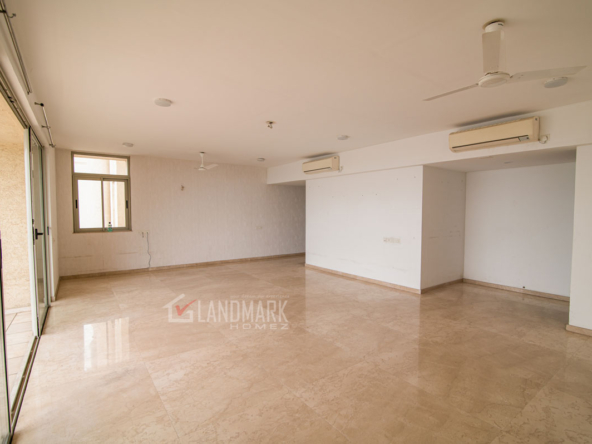
4 BHK Flat in Leona
Leona, Rodas Enclave, Hiranandani Estate, Ghodbunder road, Thane (W) - 400607 Details
4 years ago
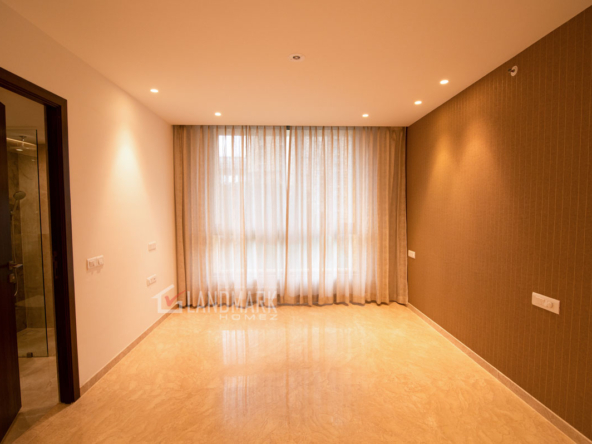
3 BHK Flat in Glenwood
Glenwood, Hiranandani Estate, Ghodbunder road, Thane (W) - 400607 Details
4 years ago

3 BHK Flat in Glendale
Glendale, Hiranandani Estate, Ghodbunder road, Thane (W) - 400607 Details
4 years ago
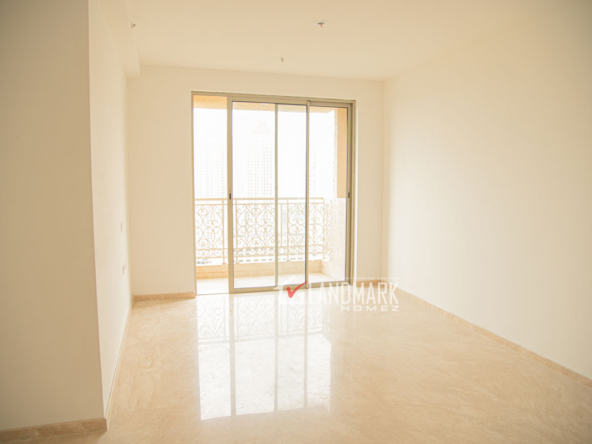
3 BHK Flat in Eagleridge
Eagleridge, Hiranandani Estate, Ghodbunder road, Thane (W) - 400607 Details
4 years ago

2 BHK Flat in Delanna
Delanna, Hiranandani Estate, Ghodbunder road, Thane (W) - 400607 Details
4 years ago
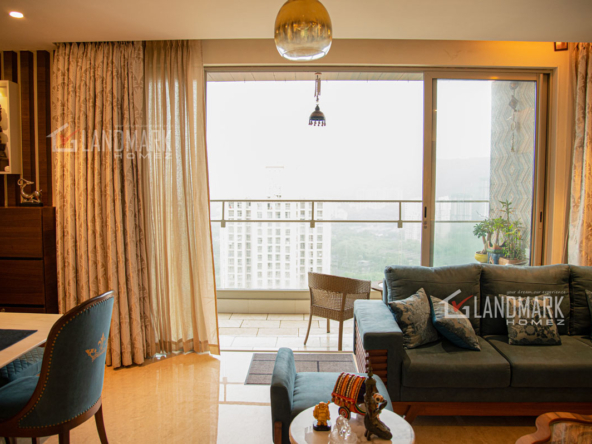
3 BHK Flat in Clifton
Clifton, One Hiranandani Park, Ghodbunder road, Thane (W) - 400607 Details
4 years ago
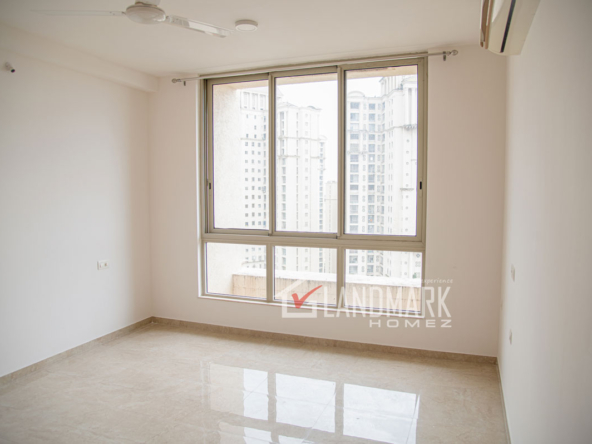
3 BHK Flat in Cardinal
Cardinal, Hiranandani Estate, Ghodbunder road, Thane (W) - 400607 Details
4 years ago
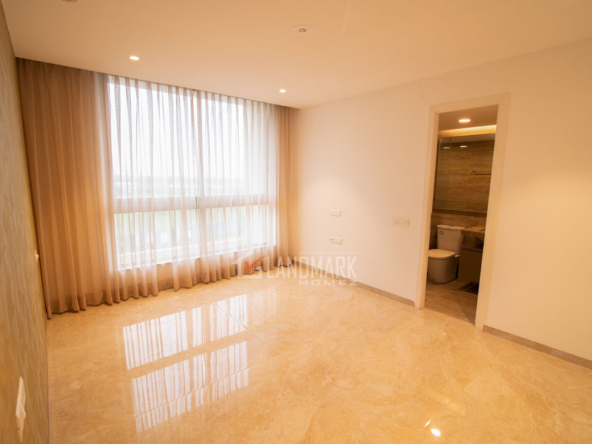
5 BHK Flat in Basilius, Rodas Enclave
Basilius, Rodas Enclave, Hiranandani Estate, Ghodbunder road, Thane (W) - 400607 Details
4 years ago
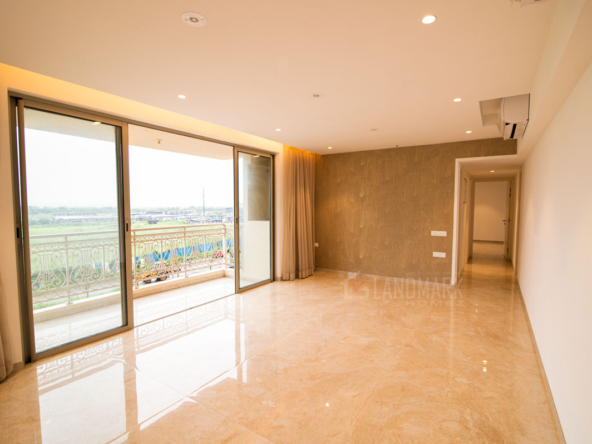
3BHK Flat in Aralia
Aralia, Hiranandani Estate, Ghodbunder road, Thane (W) - 400607 Details
4 years ago
