

charmain09g808
About charmain09g808
The Rise of Private Flying: A Brand new Era In Aviation
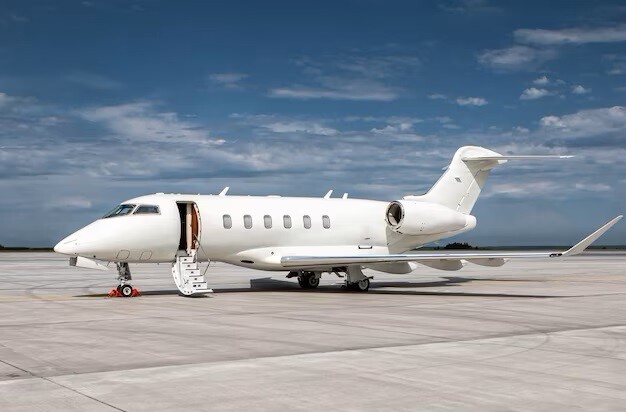
The aviation industry has seen important transformations over the previous few many years, with private flying emerging as a outstanding segment that caters to a various vary of people and companies. This article explores the evolution of private flying, its advantages and challenges, the technological developments that have fueled its development, and the way forward for this sector within the context of world travel and environmental sustainability.
Historical Context
Private flying has its roots in the early days of aviation when wealthy people and businesses sought quicker and extra convenient means of transportation. The primary private aircraft had been primarily utilized by affluent individuals for leisure and enterprise travel. Nonetheless, the publish-World War II era marked a turning level, as advancements in aircraft design and expertise made flying more accessible. The introduction of light aircraft and the institution of common aviation paved the way for a broader viewers to have interaction in private flying.
Advantages of Private Flying
- Time Efficiency: One of many most important advantages of private flying is the time savings it offers. Private jets can entry thousands of airports worldwide, including smaller regional airports that commercial airlines do not serve. This allows passengers to keep away from the long traces and delays sometimes associated with industrial flights, enabling them to arrive nearer to their ultimate vacation spot.
- Flexibility and Comfort: Private flying gives unparalleled flexibility in scheduling. Passengers can dictate their departure times and routes, allowing for final-minute changes and spontaneous journey plans. This convenience is particularly beneficial for business executives who need to attend meetings in different areas inside a brief timeframe.
- Privateness and Consolation: Private jets provide a level of privacy that is unattainable on industrial flights. Passengers can conduct meetings, make confidential phone calls, or just relax with out the presence of strangers. The interiors of private aircraft are sometimes personalized to fulfill the specific wants and preferences of the owner, offering a luxurious and comfortable flying expertise.
- Security and Security: In an period the place health and safety are paramount, private flying has gained recognition on account of its perceived safety advantages. With fewer passengers and controlled environments, private jets can reduce publicity to well being dangers. Moreover, private aviation companies usually implement stringent security protocols and maintenance requirements.
Challenges Going through Private Aviation
Despite its numerous benefits, private flying will not be without challenges. The excessive costs associated with owning and working a private aircraft may be prohibitive for a lot of potential customers. Upkeep, insurance, fuel, and crew salaries can add up rapidly, leading some people and companies to explore options corresponding to fractional possession or charter providers.
Another problem is the environmental impact of private flying. While advancements in expertise have led to the development of extra gasoline-efficient aircraft, the carbon footprint of private jets remains a concern. The aviation business is below increasing pressure to adopt sustainable practices, and private flying isn’t any exception. If you’re ready to see more information in regards to privatejetscharter.review review our web-site. Companies are exploring options similar to sustainable aviation fuels (SAFs) and electric aircraft to mitigate their environmental impact.
Technological Advancements
The growth of private flying has been considerably influenced by technological advancements. Innovations in aircraft design, materials, and avionics have made private jets more efficient, comfy, and accessible. For example, the introduction of composite supplies has reduced aircraft weight, leading to improved fuel efficiency and performance.
Moreover, advancements in avionics have enhanced navigation and security. Modern private jets are geared up with subtle methods that enable for better situational consciousness, weather monitoring, and communication with air traffic management. These technologies not solely improve security but in addition streamline operations, making private flying more environment friendly.
The rise of digital platforms and apps has also transformed the way in which individuals entry private flying companies. On-demand charter providers and membership applications have made it easier for folks to guide flights with out the need for ownership. These platforms provide transparency in pricing and availability, permitting users to compare choices and make knowledgeable decisions.
The future of Private Flying
As we look to the future, the private flying sector is poised for further development and innovation. The COVID-19 pandemic has accelerated the pattern towards private aviation, as travelers seek safer options to industrial flights. This shift in consumer behavior may lead to a long-lasting improve in demand for private flying companies.
Sustainability will play a crucial position in shaping the way forward for private aviation. The business is actively exploring ways to reduce its environmental affect, with many corporations committing to carbon-neutral operations by 2050. The event of electric and hybrid aircraft is on the horizon, promising to revolutionize the best way we predict about private flying.
Furthermore, the mixing of artificial intelligence and automation in aviation is expected to boost operational effectivity and security. From predictive upkeep to automated flight planning, these technologies have the potential to streamline processes and cut back prices.
Conclusion
Private flying has advanced into a dynamic and multifaceted sector throughout the aviation industry. While it presents quite a few benefits reminiscent of time effectivity, flexibility, and privateness, it additionally faces challenges associated to cost and environmental impact. Technological advancements continue to drive innovation, making private flying more accessible and environment friendly. Because the business adapts to altering shopper preferences and environmental considerations, the way forward for private flying appears promising, with opportunities for sustainable development and enhanced journey experiences.
In summary, private flying represents a novel intersection of luxury, convenience, and technological development. Because it continues to evolve, it would undoubtedly play a big role within the broader landscape of global travel, catering to the needs of individuals and companies in an increasingly interconnected world.
Sort by:
No listing found.
