

ellajett543739
Property Types
- 100% Residential
Property Status
- 70% For Sale
- 30% For Rent
Property Cities
- 100% Thane
About ellajett543739
Legal aid in the UK is a crucial aspect of ensuring that access to justice is available to all, regardless of financial situation.
Court security and judicial independence are cornerstones of the English judiciary.
This article explores the different types of law court facilities in the UK, their importance, and some of the challenges associated with them. There have been calls for the expansion of legal aid in areas such as housing, education, and mental health, where many individuals are unable to afford necessary legal services.
The facilities in High Courts are typically more sophisticated than those found in lower courts.
As a result, many people are now forced to represent themselves in court, a situation known as ”litigants in person.” This has raised concerns about the fairness of the legal system, as individuals without legal expertise may struggle to navigate complex legal processes and present their case effectively.
Some courts also have facilities such as video link systems, where vulnerable witnesses can give their testimony from a secure location, reducing the stress of appearing in court.
The facilities available in UK law courts include physical infrastructure, technological tools, and various services to support both legal professionals and the public. Legal literacy in England is also important. In some cases, individuals can access free legal help guide through pro bono work, where lawyers volunteer their services for free.
For example, many family courts have separate waiting areas for children or victims of domestic abuse to ensure they feel safe and comfortable during proceedings.
Campaigns by legal charities and educational bodies aim to demystify the legal system and make it more approachable for the public. Magistrates’ Courts deal primarily with summary offences, such as traffic violations, shoplifting, and anti-social behaviour.
The issue is especially prevalent in family law firm cases, where emotional and personal stakes are high.
Over the past few years, there have been efforts to address these challenges and improve access to legal aid. Access to justice in England has seen significant changes. One of the main types of law court facilities include the range of courts such as Crown Court, County Court, and Magistrates’ Court.
They are expected to be impartial and are protected from political interference to ensure the integrity of legal proceedings.
The High Court serve as the highest level of court in the UK and deal with significant civil and criminal matters, as well as appeals from lower courts. The High Court is often housed in grand historic buildings, reflecting the importance of the cases it handles.
These courts are often the first point of contact for individuals involved in non-criminal legal disputes.
At the lowest level are the Magistrates’ Courts and County Courts. If you loved this post and you would like to receive more details regarding marketing services assure visit our site. They include multiple courtrooms, advanced audiovisual systems, secure holding areas, and areas for the press and public to observe proceedings. County Courts handle civil cases such as personal injury claims, family matters, landlord-tenant disputes, and breaches of contract.
Pro bono lawyers play a crucial role in providing legal support to vulnerable individuals who do not meet the financial criteria for legal aid.
These facilities vary depending on the type of court and the case being heard, but they all serve a crucial role in ensuring justice is administered effectively. The government and the judiciary have invested in digital transformation to improve access to justice. Critics argue that this limits access to justice for vulnerable individuals and undermines fairness.
These courts are usually presided over by a bench of magistrates—volunteer judges—or a single district judge.
This includes facilities to support victims of crime, witnesses, and those involved in family disputes. These calls highlight the importance of legal aid not only in ensuring fairness but also in promoting social justice. Beyond ensuring accessibility for people with disabilities, law courts in the UK are also designed to meet the needs of vulnerable individuals.
While legal aid is available for individuals who cannot afford legal representation, reforms over the past decade have reduced the scope of coverage, especially in civil cases. Many people are unaware of how courts operate or what their rights are when involved in legal proceedings.
Various advocacy groups, including law societies, have called for a restoration of funding and a broader understanding of what constitutes a ”fair” trial.
High Court facilities are designed to accommodate high-profile and complex cases, including commercial disputes, judicial reviews, and cases involving significant sums of money. Pro bono work is typically offered by law firms, individual lawyers, or charitable organizations that aim to support individuals who cannot access legal aid but still need professional help.
Judicial reform in England have been a major focus in recent years.
Judges are appointed based on merit by the independent Judicial Appointments Commission. Virtual hearings, online case filing, and remote participation have become more common, particularly since the COVID-19 pandemic.

Sort by:
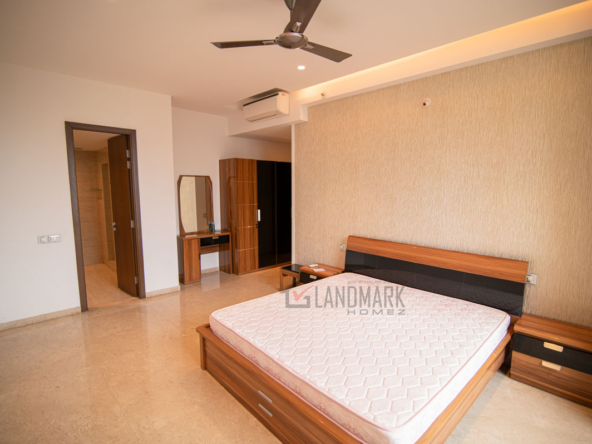
4 BHK Flat in Willowcrest
Willowcrest, One Hiranandani Park, Ghodbunder road, Thane (W) - 400607 Details
4 years ago
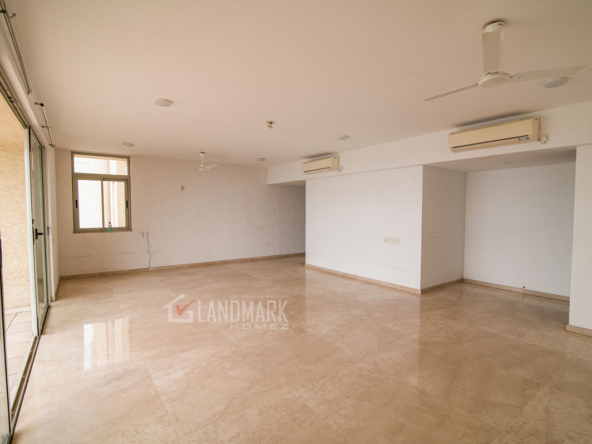
4 BHK Flat in Leona
Leona, Rodas Enclave, Hiranandani Estate, Ghodbunder road, Thane (W) - 400607 Details
4 years ago
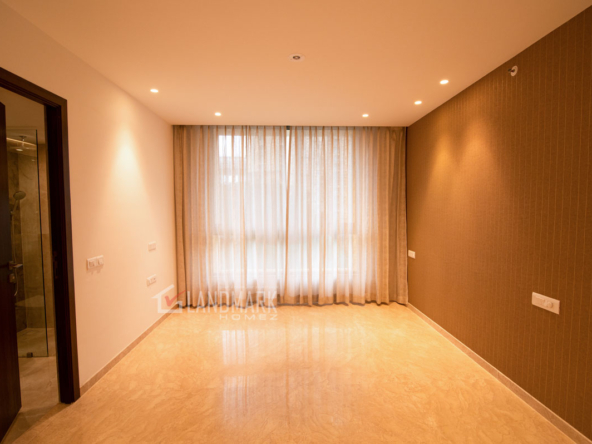
3 BHK Flat in Glenwood
Glenwood, Hiranandani Estate, Ghodbunder road, Thane (W) - 400607 Details
4 years ago

3 BHK Flat in Glendale
Glendale, Hiranandani Estate, Ghodbunder road, Thane (W) - 400607 Details
4 years ago
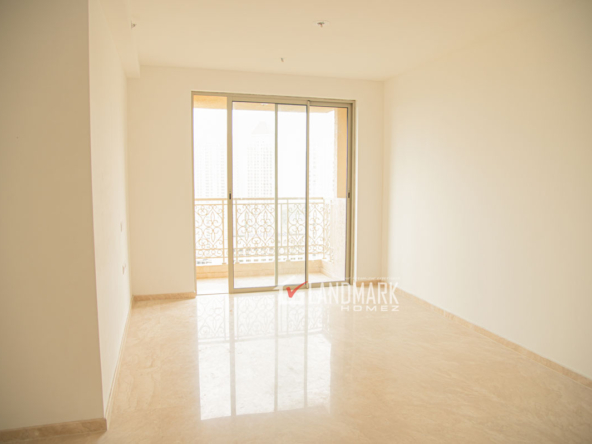
3 BHK Flat in Eagleridge
Eagleridge, Hiranandani Estate, Ghodbunder road, Thane (W) - 400607 Details
4 years ago

2 BHK Flat in Delanna
Delanna, Hiranandani Estate, Ghodbunder road, Thane (W) - 400607 Details
4 years ago
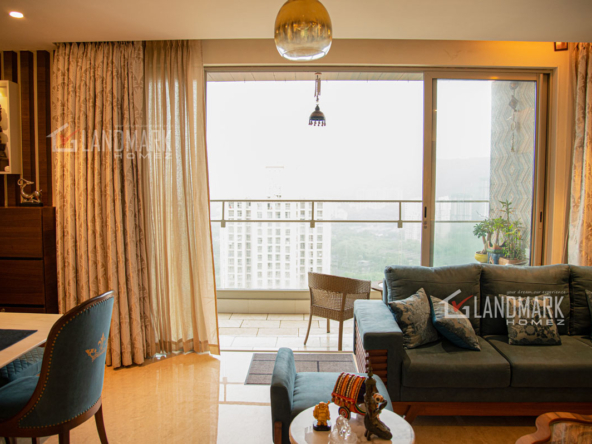
3 BHK Flat in Clifton
Clifton, One Hiranandani Park, Ghodbunder road, Thane (W) - 400607 Details
4 years ago
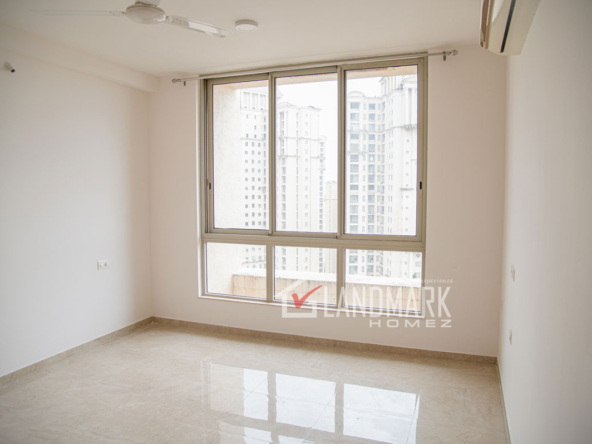
3 BHK Flat in Cardinal
Cardinal, Hiranandani Estate, Ghodbunder road, Thane (W) - 400607 Details
4 years ago
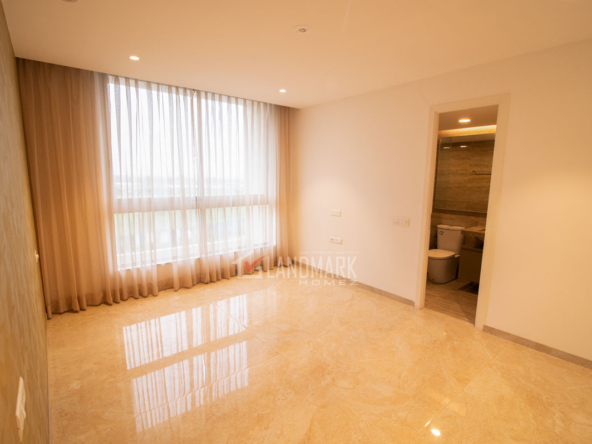
5 BHK Flat in Basilius, Rodas Enclave
Basilius, Rodas Enclave, Hiranandani Estate, Ghodbunder road, Thane (W) - 400607 Details
4 years ago
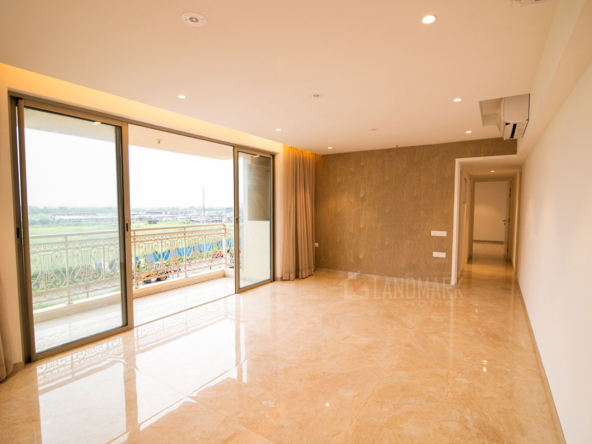
3BHK Flat in Aralia
Aralia, Hiranandani Estate, Ghodbunder road, Thane (W) - 400607 Details
4 years ago
