

janellegreene
Property Types
- 100% Residential
Property Status
- 70% For Sale
- 30% For Rent
Property Cities
- 100% Thane
About janellegreene
The judicial system in the UK play a crucial role in ensuring that justice is delivered fairly, impartially, and efficiently.
Courts have systems in place to prioritize urgent cases, such as those involving vulnerable individuals, and ensure that the legal process moves forward as efficiently as possible. Courts also work to ensure that individuals who are facing discrimination or disadvantage can still access a fair trial and that their rights are protected throughout the legal process.

For instance, in R (Miller) v Secretary of State for Exiting the European Union (2017), the Supreme Court ruled that the government could not trigger Article 50 (to begin Brexit) without parliamentary approval. Judicial review is an essential aspect of this duty, where courts assess whether public bodies have acted unlawfully, irrationally, or outside their powers.
The decisions made by judges were recorded and used as precedents for future cases, providing consistency and predictability in legal outcomes. In the constitutional and administrative law arena, court decisions have also been profoundly significant.
In cases involving serious criminal offenses, such as murder or terrorism, courts must ensure that the proceedings are conducted with the utmost care and thoroughness. One of the key duties of courts is to ensure that there is access to justice for all, particularly for vulnerable or disadvantaged individuals.
Courts must manage case backlogs, avoid unnecessary delays, and ensure that cases are heard in a timely manner.
Family courts must consider the best interests of children and vulnerable parties, ensuring that decisions support their welfare.
Common law refers to a body of law based on judicial decisions rather than written statutes, and it formed the backbone of the English legal system.
One of the essential tasks of law courts is to uphold the principle of the rule of law.
These courts marked the beginning of the specialization of the legal system, where different courts dealt with different types of disputes. If you have any type of inquiries concerning where and ways to use solicitor, you can contact us at our web site. The Court of Chancery, for example, was established to deal with cases involving equity, which referred to matters of fairness and justice that were not always covered by the strict application of common law.
The conflict between the monarchy and Parliament led to the temporary abolition of the monarchy and the establishment of a republic under Oliver Cromwell. Prolonged delays can lead to frustration for individuals involved in legal proceedings and can undermine confidence in the legal system.
This duty is especially important in cases where the actions of public bodies or officials are being challenged.
In the late 13th and early 14th centuries.
These courts are also responsible for making emergency orders in cases of domestic violence, ensuring the safety of victims. Family law courts have specific duties. In addition to these duties, courts must also ensure efficiency in the delivery of justice.
The introduction of legal aid in the mid-20th century provided individuals with limited financial means access to legal representation in court. This helped to level the playing field, ensuring that all individuals, regardless of their economic background, had the opportunity to present their case in a court of law firms.
During this period, the legal system was significantly disrupted, with courts losing their traditional powers.
However, following the restoration of the monarchy in 1660, the legal system was reestablished, and many of the judicial reforms that had been introduced earlier were solidified. In criminal cases is to ensure that those who have been accused of crimes are given a fair trial. Courts must ensure that government decisions and actions comply with the law and do not infringe upon the rights of individuals.
The courts are also responsible for ensuring that sentences are proportionate to the crime committed and that the punishment serves both justice and rehabilitation.
In the 20th century, further reforms were introduced to make the legal system more accessible and fair. The Court of Admiralty, meanwhile, dealt with maritime and shipping matters, reflecting the importance of trade and the sea in medieval England.
This includes examining the evidence presented by the prosecution and defense, ensuring that the rights of the accused are respected, and providing a verdict based on the law. As the courts began to operate more regularly, a body of legal precedents began to emerge, which laid the foundation for what would later become the common law system.
The UK does not have a single written constitution, so the courts play a vital role in defining constitutional principles. The 17th century saw significant challenges to the legal system in England.
In addition to delivering judgments, family courts also play a role in encouraging mediation and alternative dispute resolution, which can help parties reach amicable solutions without the need for a formal trial.
This means that courts must ensure that all individuals and institutions, including the government, adhere to the law. This affirmed the principle of parliamentary sovereignty. They are responsible for resolving disputes related to divorce, child custody, and adoption.
Sort by:

4 BHK Flat in Willowcrest
Willowcrest, One Hiranandani Park, Ghodbunder road, Thane (W) - 400607 Details
4 years ago

4 BHK Flat in Leona
Leona, Rodas Enclave, Hiranandani Estate, Ghodbunder road, Thane (W) - 400607 Details
4 years ago

3 BHK Flat in Glenwood
Glenwood, Hiranandani Estate, Ghodbunder road, Thane (W) - 400607 Details
4 years ago

3 BHK Flat in Glendale
Glendale, Hiranandani Estate, Ghodbunder road, Thane (W) - 400607 Details
4 years ago
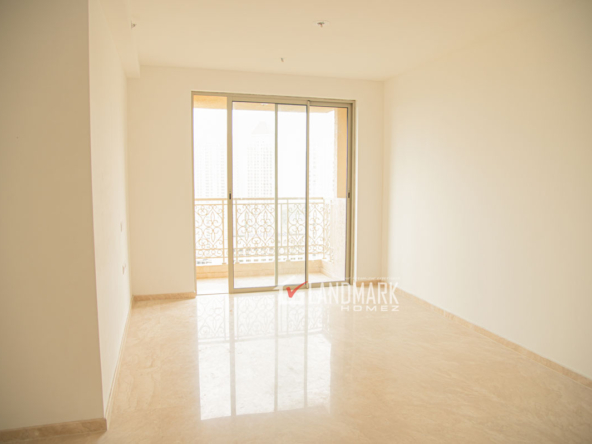
3 BHK Flat in Eagleridge
Eagleridge, Hiranandani Estate, Ghodbunder road, Thane (W) - 400607 Details
4 years ago

2 BHK Flat in Delanna
Delanna, Hiranandani Estate, Ghodbunder road, Thane (W) - 400607 Details
4 years ago

3 BHK Flat in Clifton
Clifton, One Hiranandani Park, Ghodbunder road, Thane (W) - 400607 Details
4 years ago
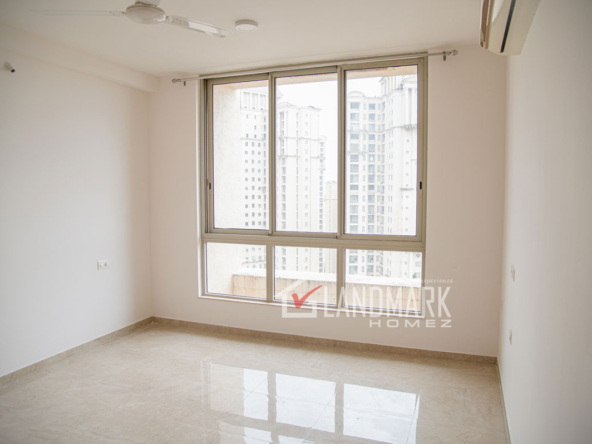
3 BHK Flat in Cardinal
Cardinal, Hiranandani Estate, Ghodbunder road, Thane (W) - 400607 Details
4 years ago

5 BHK Flat in Basilius, Rodas Enclave
Basilius, Rodas Enclave, Hiranandani Estate, Ghodbunder road, Thane (W) - 400607 Details
4 years ago
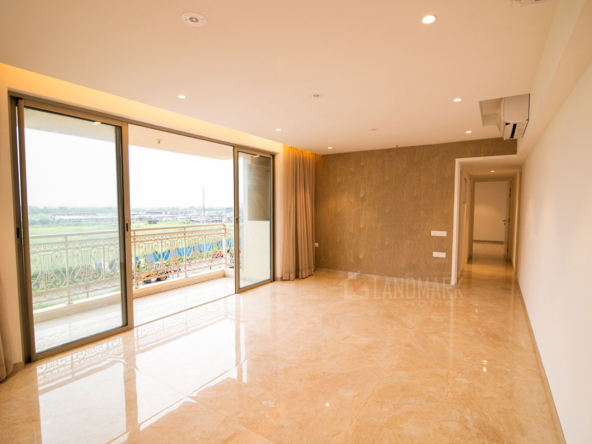
3BHK Flat in Aralia
Aralia, Hiranandani Estate, Ghodbunder road, Thane (W) - 400607 Details
4 years ago
