

katharinaschro
Property Types
- 100% Residential
Property Status
- 70% For Sale
- 30% For Rent
Property Cities
- 100% Thane
About katharinaschro
Analyzing the Most Controversial Balance Patches in Tower Rush
Shifting the Meta
In the ecosystem of a live-service competitive strategy game, the developers wield a terrifying, absolute power: the ability to fundamentally rewrite the underlying mathematics of the universe on a weekly basis. The forums ignite with toxic rage, boycotts are organized, and the community fractures into tribal warfare between the players who used the nerfed card and the players who hated it. Balancing a tower rush game is not a science; it is a dark art performed on a mathematical tightrope. Let us examine the fascinating history of balance patches in the tower rush genre, dissecting the most notorious controversies, the concept of the ’Emergency Nerf’, and how the community attempts to predict the developers’ intentions.
The Anatomy of a Nerf
For example, if a heavy melee unit is never used, developers might increase its movement speed by 20%. However, they are a necessary evil; leaving a truly broken card in the game for a month will cause permanent, irreparable damage to the community’s trust. Instead of just tweaking the numbers (health/damage), a Rework fundamentally changes how the card operates—for example, changing a spell from instant damage to a slow, damage-over-time poison. If the developers massively nerf the most popular defensive building in the game (like a Cannon), they are not just weakening the Cannon.
- You must diversify your investments, leveling up a wide variety of versatile, perfectly balanced cards (like generic spells and standard defenses) that are highly unlikely to ever receive a massive nerf.
- Balance is often dictated by popularity, not just raw power.
- You can farm massive amounts of MMR by simply playing solid fundamentals against players who are frantically trying to figure out how the new, untested cards work.
- Adaptation is the only productive response to a shifting meta.
- Appreciate the impossible, thankless task the balance team faces.
Riding the Wave
You must view the cards simply as disposable tools in a toolbox; if the developers break your favorite hammer, you do not cry, you simply reach into the box and pull out a wrench. When you achieve this detachment, reading the patch notes becomes an exciting intellectual puzzle rather than a source of anxiety. Fundamentals are patch-proof. Ultimately, controversial balance patches are the lifeblood that prevents the game from becoming a stagnant, solved, and boring spreadsheet.
| What Developers Do | The Intent | The Chaos |
|---|---|---|
| Damage/Health Reduction | To crush an oppressive, overused deck and force meta diversity. | Rage from players who invested heavily; joy from those who hated playing against it. |
| Massive Stat Increase | To revive a completely dead, unused card and make it viable. | Creates a temporary, broken ’Tyrant’ meta; usually requires an immediate Emergency Patch. |
| The Rework | To fix a card whose fundamental design is toxic or impossible to balance. | Destroys long-standing muscle memory and complex synergies; highly controversial. |
| The ’Sleeper’ Buff | To slowly bring a balanced card into the competitive spotlight over months. | Often ignored until the unit reaches critical mass and suddenly dominates tournaments. |
In conclusion, navigating the treacherous, shifting tides of the monthly balance patch is just as important as your in-game mechanical skill. Debate which specific ’Sleeper’ cards will benefit the most from the nerfs to the top-tier units. Taking a short break allows the community to figure out the new optimal builds for the reworked cards, saving you the frustration of the experimental phase. These cards are the foundational glue of almost every viable deck in the game, and because they are inherently balanced, they are almost never subjected to massive, controversial reworks or nerfs. Now, close the patch notes, open the deck builder, and adapt to the new mathematical reality of the arena.</p
Sort by:
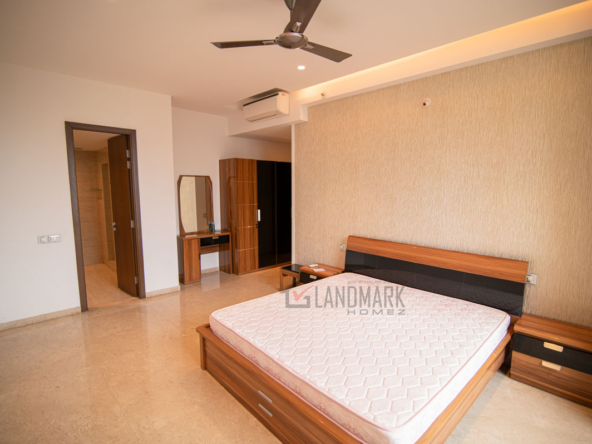
4 BHK Flat in Willowcrest
Willowcrest, One Hiranandani Park, Ghodbunder road, Thane (W) - 400607 Details
4 years ago
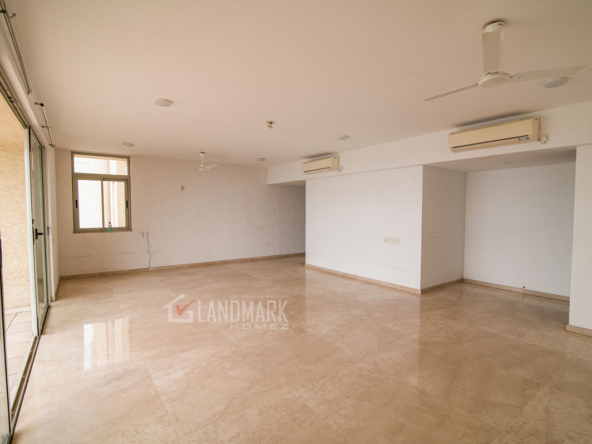
4 BHK Flat in Leona
Leona, Rodas Enclave, Hiranandani Estate, Ghodbunder road, Thane (W) - 400607 Details
4 years ago
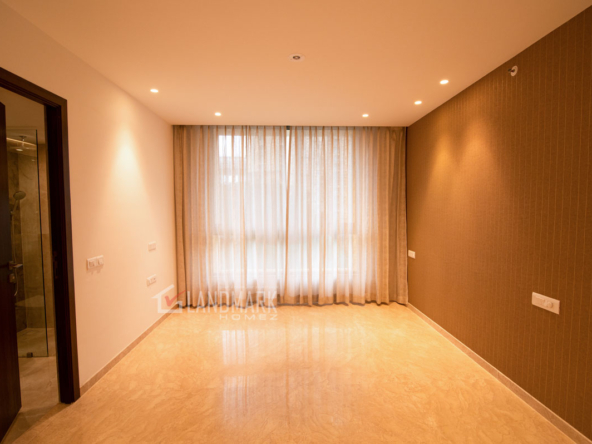
3 BHK Flat in Glenwood
Glenwood, Hiranandani Estate, Ghodbunder road, Thane (W) - 400607 Details
4 years ago

3 BHK Flat in Glendale
Glendale, Hiranandani Estate, Ghodbunder road, Thane (W) - 400607 Details
4 years ago
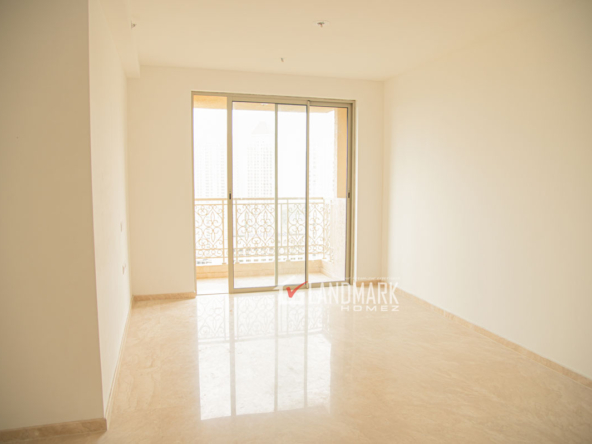
3 BHK Flat in Eagleridge
Eagleridge, Hiranandani Estate, Ghodbunder road, Thane (W) - 400607 Details
4 years ago

2 BHK Flat in Delanna
Delanna, Hiranandani Estate, Ghodbunder road, Thane (W) - 400607 Details
4 years ago

3 BHK Flat in Clifton
Clifton, One Hiranandani Park, Ghodbunder road, Thane (W) - 400607 Details
4 years ago
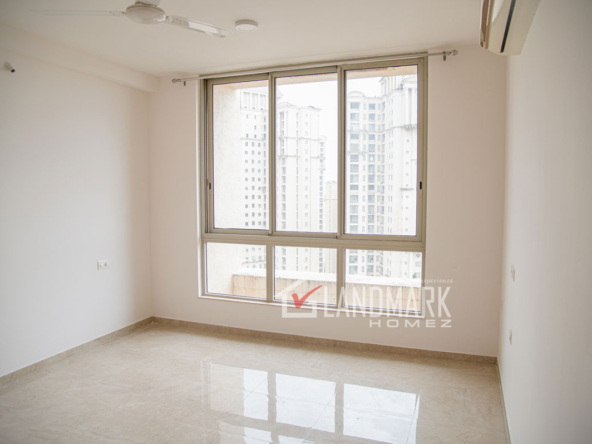
3 BHK Flat in Cardinal
Cardinal, Hiranandani Estate, Ghodbunder road, Thane (W) - 400607 Details
4 years ago
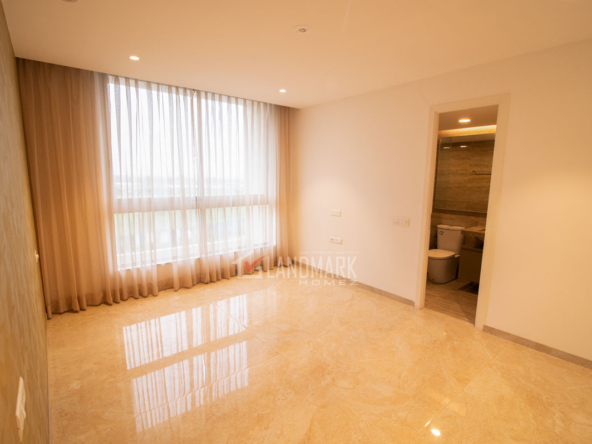
5 BHK Flat in Basilius, Rodas Enclave
Basilius, Rodas Enclave, Hiranandani Estate, Ghodbunder road, Thane (W) - 400607 Details
4 years ago
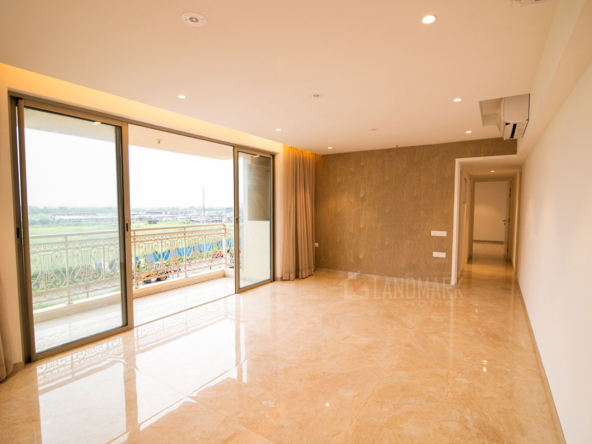
3BHK Flat in Aralia
Aralia, Hiranandani Estate, Ghodbunder road, Thane (W) - 400607 Details
4 years ago
