

kathleenwehner
Property Types
- 100% Residential
Property Status
- 70% For Sale
- 30% For Rent
Property Cities
- 100% Thane
About kathleenwehner
How Casinos Stopped Card Counters
A Simple Game That Terrified the Casinos
In the golden era of casinos, 21 was a straightforward card game. The casino staff and pitched the cards from their hands, using a single, standard 52-card deck. When the deck ran low, the dealer simply shuffled the cards and started over. The casinos loved the game because it was incredibly popular, but this single-deck, hand-dealt format was completely vulnerable. If you have any sort of questions relating to where and ways to use fastpay casino review, you could contact us at our internet site. Since the deck was so small, sharp players with good memories could track the cards. In the 1960s, a mathematical genius named Edward O. Thorp wrote the ultimate gambling book, which definitively proved that by keeping a running tally of the high and low cards a player could beat the casino. The operators were terrified; they were losing millions of dollars to card counters. To save their most profitable table game, they had to change the rules.
The Multi-Deck Solution
The solution to the card counting epidemic was brilliant and brutal. If one deck was too easy to count, they would multiply the cards. Casinos began mixing four, six, or even eight decks of cards together. A human cannot deal eight decks of cards in their hand at the same time. They needed a dispensing device.
- The Design: A casino manager in Cuba built a plastic dispensing box to hold the multi-deck stacks. Because the heavy wooden box resembled a large black dress shoe, the name stuck immediately.
- Destroying the Math: By introducing the shoe and using six or eight decks, the math of card counting was heavily diluted. Also, a plastic cut card was placed near the back of the shoe, ensuring deep penetration was impossible. This made card counting infinitely more difficult and much less profitable.
The Modern Era: Continuous Shuffling Machines (CSMs)
While the multi-deck shoe slowed counters down, dedicated mathematicians figured out how to count six decks. In modern times, casinos have deployed the ultimate, final weapon to kill counting entirely: the CSM.
| Machine Type | Operation | Effect on Advantage Play |
|---|---|---|
| Classic Box | Cards are dealt normally | Can still be beaten by highly skilled card counters, as the count can get very ’high’ or ’hot’ toward the end of the shoe |
| The Continuous Shuffling Machine (CSM) | Shuffles constantly after every hand | Kills card counting entirely |
If you walk up to a table and the dealer uses a large device that constantly shuffles, that is a CSM. Advantage play is dead on that table.
Ultimately, the transition from hand-dealing to CSMs is a fascinating look at the battle between brilliant players trying to beat the math. From a simple wooden box to a computerized robotic shuffler, it proves that the house will always evolve to ensure their mathematical dominance is protected.
Sort by:
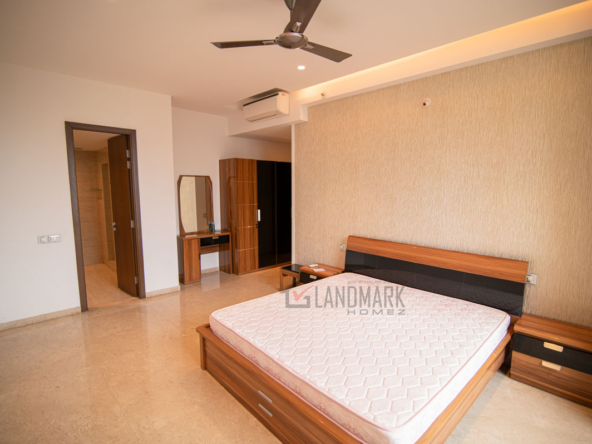
4 BHK Flat in Willowcrest
Willowcrest, One Hiranandani Park, Ghodbunder road, Thane (W) - 400607 Details
4 years ago
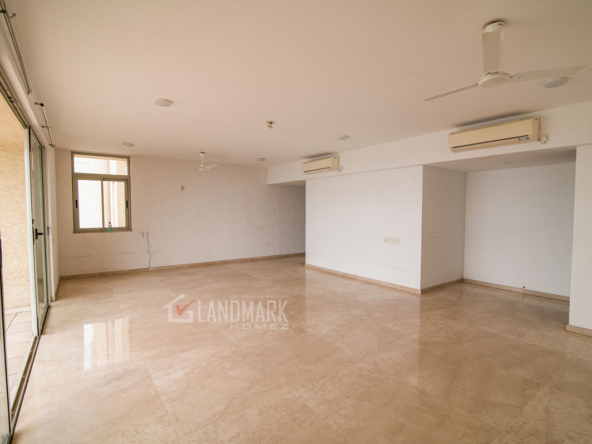
4 BHK Flat in Leona
Leona, Rodas Enclave, Hiranandani Estate, Ghodbunder road, Thane (W) - 400607 Details
4 years ago
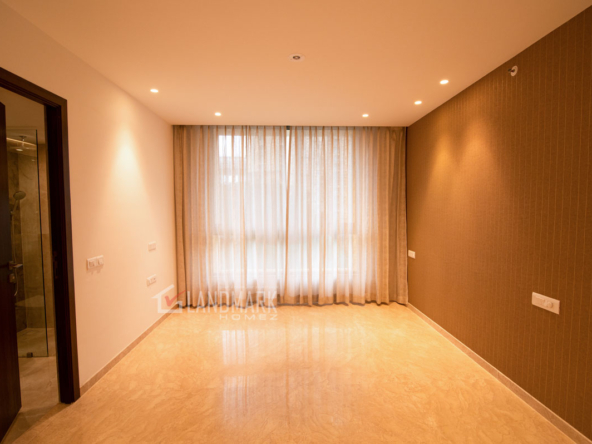
3 BHK Flat in Glenwood
Glenwood, Hiranandani Estate, Ghodbunder road, Thane (W) - 400607 Details
4 years ago

3 BHK Flat in Glendale
Glendale, Hiranandani Estate, Ghodbunder road, Thane (W) - 400607 Details
4 years ago
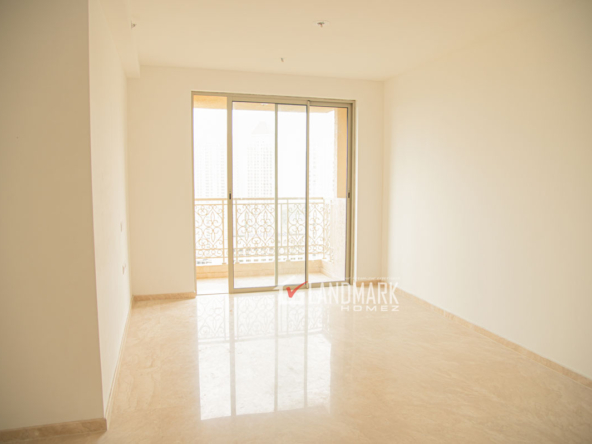
3 BHK Flat in Eagleridge
Eagleridge, Hiranandani Estate, Ghodbunder road, Thane (W) - 400607 Details
4 years ago

2 BHK Flat in Delanna
Delanna, Hiranandani Estate, Ghodbunder road, Thane (W) - 400607 Details
4 years ago
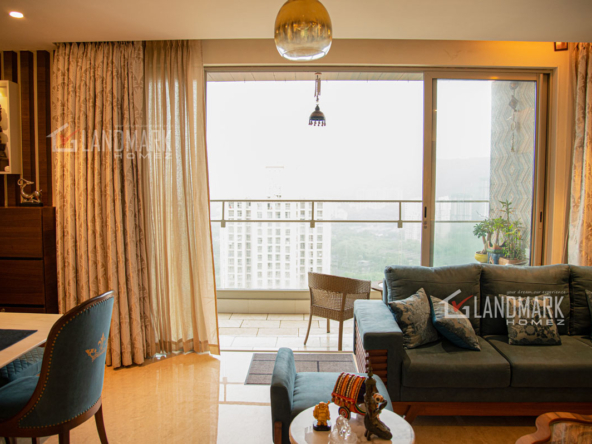
3 BHK Flat in Clifton
Clifton, One Hiranandani Park, Ghodbunder road, Thane (W) - 400607 Details
4 years ago
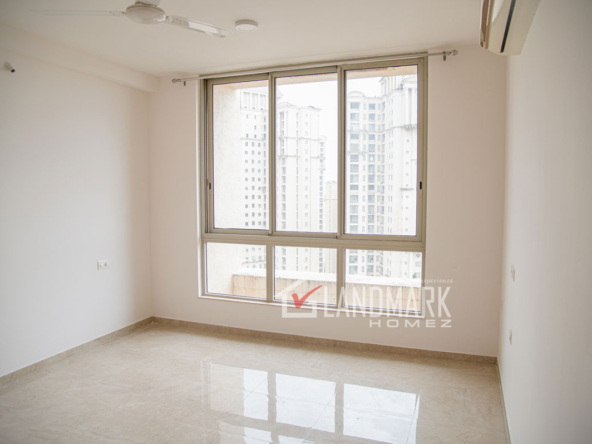
3 BHK Flat in Cardinal
Cardinal, Hiranandani Estate, Ghodbunder road, Thane (W) - 400607 Details
4 years ago
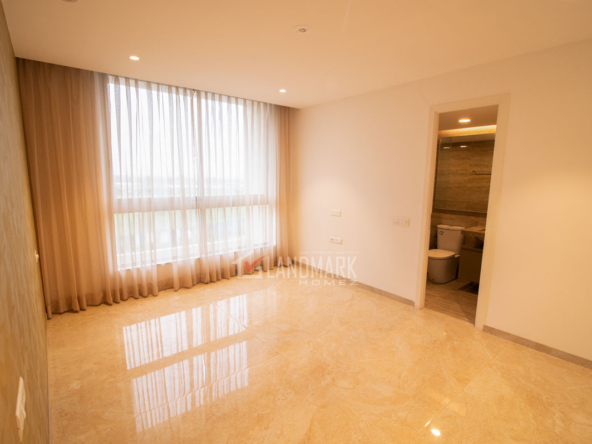
5 BHK Flat in Basilius, Rodas Enclave
Basilius, Rodas Enclave, Hiranandani Estate, Ghodbunder road, Thane (W) - 400607 Details
4 years ago
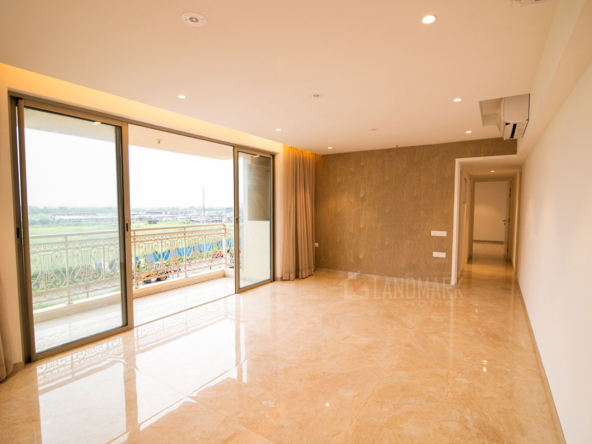
3BHK Flat in Aralia
Aralia, Hiranandani Estate, Ghodbunder road, Thane (W) - 400607 Details
4 years ago
