

margueriteuzg
Property Types
- 100% Residential
Property Status
- 70% For Sale
- 30% For Rent
Property Cities
- 100% Thane
About margueriteuzg
Back when we were trying to grow our legal practice, referral platforms felt like an afterthought.
In the constitutional and administrative law arena, court decisions have also been profoundly significant. Whether handling criminal prosecutions, civil claims, or family matters, the courts of Northern Ireland remain vital to upholding justice, safeguarding rights, and maintaining the rule of law for all its citizens. That’s why organic reach remains a cornerstone.

The District Court operates in various local venues throughout the country and is usually presided over by a single judge.
A court must follow precedent unless it can distinguish the current case from previous rulings or if a higher court has overruled an earlier decision.
Firms must refine their landing pages to match search intent. When you have virtually any questions relating to where by and also tips on how to make use of solicitor advertising, it is possible to e-mail us on our own website. Its decisions can be appealed to the Circuit Court. For instance, in R (Miller) v Secretary of State for Exiting the European Union (2017), the Supreme Court ruled that the government could not trigger Article 50 (to begin Brexit) without parliamentary approval.
The Court of Justice of the European Union (CJEU) in Luxembourg acts as the final arbiter in matters of EU law.
British courts operate within a hierarchical structure, meaning decisions from superior courts are followed by lower courts. regional keyword strategy is especially important for firms serving local communities.
Legal education in Northern Ireland is offered through institutions such as Queen’s University Belfast and Ulster University.
County Courts handle civil matters such as contract disputes, and they also oversee family law and small claims.
Legal access for citizens in Ireland is supported by a legal aid system, which provides assistance to those who cannot afford legal representation. In civil matters, the High Court of Justice in Northern Ireland has jurisdiction over complex and high-value cases.
This principle is known as stare decisis, which ensures consistency and predictability in the law. With ongoing reforms, the legal services system must balance tradition with modernisation, autonomy with integration, and independence with cooperation.
The courts in Ireland also interacts with the European Union legal framework. It deals with less serious crimes, as well as small civil claims, family law matters, and licensing issues.
Access to justice remains a concern, particularly in rural or economically disadvantaged areas.
These divisions handle everything from judicial review and commercial disputes to family breakdowns and probate.
Under the Human Rights Act 1998, UK courts are required to interpret legislation, as far as possible, in a way that is compatible with the European Convention on Human Rights. These changes aim to reduce delays and make the justice system more user-friendly.
This affirmed the principle of parliamentary sovereignty.
To summarise, the Irish court system form a dynamic and principled framework for delivering justice.
It is made up of three divisions: the Queen’s Bench Division, the Chancery Division, and the Family Division. These universities provide specialised legal training with a focus on both UK-wide and Northern Ireland-specific law firm.
They define legal principles, decide legal cases, and influence the direction of the law.
The Legal Aid Board oversees civil legal aid, while criminal legal aid is administered through the Department of Justice. It supports ongoing training, manages complaints against judges, and encourages best practices in legal decision-making.
In response to these challenges, the Department of Justice has introduced reforms and digital innovations to modernise the court system.
When legislation is found to be incompatible, courts can issue a ”declaration of incompatibility,” although Parliament remains sovereign and must choose whether to amend the law. Court decisions in the UK are also vital in protecting human rights.
More serious cases or those involving higher financial stakes may be escalated to the High Court or the Crown Court depending on whether they are civil or criminal in nature.
EU law is directly applicable in Ireland, and Irish courts are obligated to interpret domestic law in line with EU treaties and regulations. At the base level of the court system is the District Court. The UK does not have a single written constitution, so the courts play a vital role in defining constitutional principles.
From local District Courts to the Supreme Court, the Irish judiciary ensures that laws are applied fairly, rights are protected, and the Constitution is upheld.
Legal aid is available in both criminal and civil matters, but funding pressures and administrative hurdles sometimes limit how effectively the system can support vulnerable individuals.
Ireland has also established the Judicial Council to promote excellence and accountability within the judiciary.
Sort by:
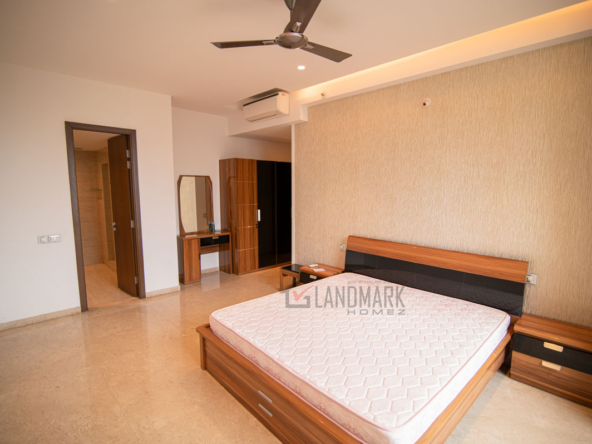
4 BHK Flat in Willowcrest
Willowcrest, One Hiranandani Park, Ghodbunder road, Thane (W) - 400607 Details
4 years ago
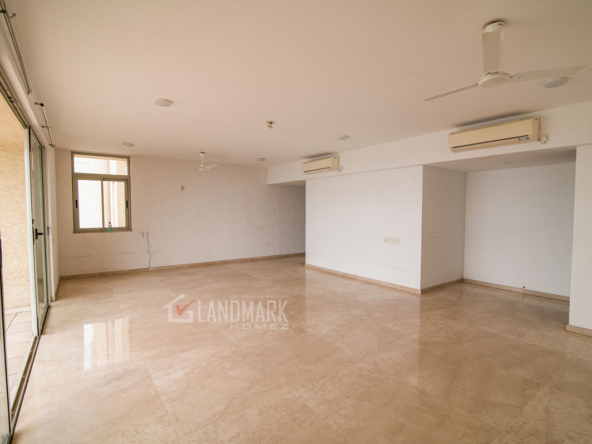
4 BHK Flat in Leona
Leona, Rodas Enclave, Hiranandani Estate, Ghodbunder road, Thane (W) - 400607 Details
4 years ago
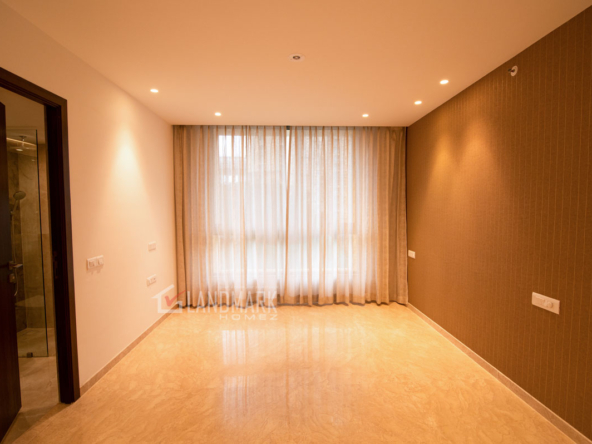
3 BHK Flat in Glenwood
Glenwood, Hiranandani Estate, Ghodbunder road, Thane (W) - 400607 Details
4 years ago

3 BHK Flat in Glendale
Glendale, Hiranandani Estate, Ghodbunder road, Thane (W) - 400607 Details
4 years ago
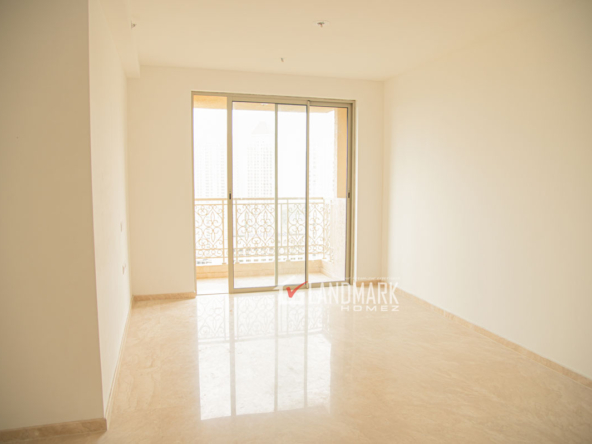
3 BHK Flat in Eagleridge
Eagleridge, Hiranandani Estate, Ghodbunder road, Thane (W) - 400607 Details
4 years ago

2 BHK Flat in Delanna
Delanna, Hiranandani Estate, Ghodbunder road, Thane (W) - 400607 Details
4 years ago

3 BHK Flat in Clifton
Clifton, One Hiranandani Park, Ghodbunder road, Thane (W) - 400607 Details
4 years ago
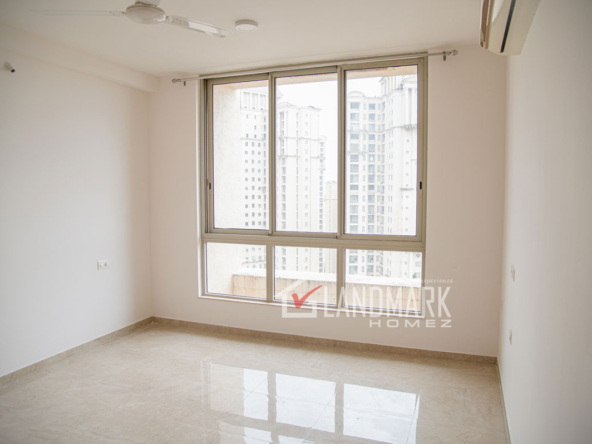
3 BHK Flat in Cardinal
Cardinal, Hiranandani Estate, Ghodbunder road, Thane (W) - 400607 Details
4 years ago
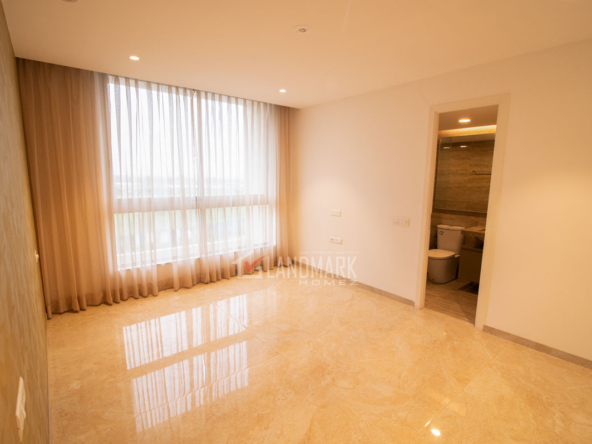
5 BHK Flat in Basilius, Rodas Enclave
Basilius, Rodas Enclave, Hiranandani Estate, Ghodbunder road, Thane (W) - 400607 Details
4 years ago
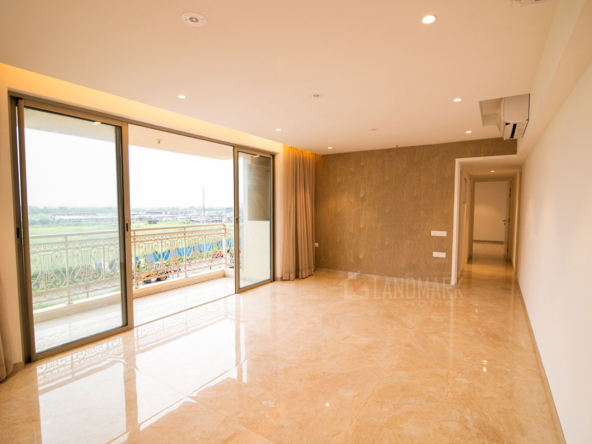
3BHK Flat in Aralia
Aralia, Hiranandani Estate, Ghodbunder road, Thane (W) - 400607 Details
4 years ago
