

mauricestoker
Property Types
- 100% Residential
Property Status
- 70% For Sale
- 30% For Rent
Property Cities
- 100% Thane
About mauricestoker
Judicial errors in Britain are a critical issue that raises concerns about fairness and justice.
Today, learn more here there is a growing focus on creating courts that are not only functional but also accessible.
In civil cases, courts are tasked with resolving disputes fairly and impartially, using the law to determine who is at fault and what compensation or remedy is appropriate.
This has led to the incorporation of accessible features in many new court buildings. In cases involving serious criminal offenses, such as murder or terrorism, courts must ensure that the proceedings are conducted with the utmost care and thoroughness. However, modern court design has shifted away from this monumental style. A particularly unusual case involved a juror who sustained a concussion after a ceiling tile fell in a Crown Court.
These changes reflect the recognition that courts must be places of equal access for all citizens, ensuring that no one is excluded from the judicial process due to physical limitations. A significant duty of law courts is to manage civil disputes.
Whether handling criminal cases, civil disputes, family matters, or appeals, the duties of law courts are designed to uphold the rule of law, protect individual rights, and provide a fair and equitable system for all.
Courts must ensure that parties have the opportunity to present their case and that all relevant evidence is considered before making a decision. These courts have several key duties that are central to the proper functioning of the legal system. From the historical grandeur of traditional court buildings to the modern, accessible, and technologically advanced designs of today, court architecture plays an important role in ensuring that justice is accessible, fair, and efficient.
One of the key duties of courts is to ensure that there is access to justice for all, particularly for vulnerable or disadvantaged individuals.
The incident delayed proceedings and raised broader questions about investment in court infrastructure across the UK.
This includes the addition of ramps, as well as signage to help people with disabilities navigate the building.
Lifting heavy files, solicitor Advertising repetitive strain from computer work, and stress-related illnesses are among the common occupational hazards reported.
An investigation found that recent building renovations had not been properly completed, and debris had not been secured.
In many new courts, there are dedicated spaces for people with physical disabilities, such as wheelchair-accessible courtrooms, and facilities for those who are hearing or visually impaired. The courts are also responsible for ensuring that sentences are proportionate to the crime committed and that the punishment serves both justice and rehabilitation.
One of the most important considerations in the design of a modern court is accessibility. This includes examining the evidence presented by the prosecution and defense, ensuring that the rights of the accused are respected, and providing a verdict based on the law. Additionally, legal commentators continue to call for strengthening the CCRC, expanding access to legal aid, and introducing mechanisms for quicker review of potentially unsafe convictions.
This duty is reflected in the provision of legal aid, which allows those who cannot afford legal representation to still access the courts and receive professional legal support.
It’s not only visitors or legal professionals who are at risk—court staff, including clerks, ushers, and administrative workers, can also suffer workplace injuries. This article explores the main duties of law courts in the UK, including their responsibilities in case management, the delivery of justice, safeguarding human rights, and maintaining public confidence in the legal system.
Reforms have been proposed and, in some cases, implemented to address these issues.
These include better training for judges and lawyers, the use of independent forensic experts, greater transparency in family courts, and improved oversight of police investigations. These can range from contractual disagreements to family law matters, property disputes, and claims for compensation due to personal injury. The need for accessibility is one of the primary concerns in modern court design, as courts must be open and usable for everyone, regardless of their physical ability or social background.
The UK government has placed a strong emphasis on making sure that all individuals can access court buildings with ease. As technology continues to shape the legal landscape, it is likely that the design of law courts in the UK will continue to adapt, reflecting both the demands of the legal system and the expectations of the public.
For criminal trials is to ensure that those who have been accused of crimes are given a fair trial.
The Ministry of Justice, as the employer, is legally required to provide a safe working environment, and failure to do so can result in compensation claims and public accountability.
In case you have almost any queries regarding where by and tips on how to use more information, it is possible to email us from our own site. To sum up, the design of law courts in the UK is constantly evolving to meet the needs of a changing society. Courts also work to ensure that individuals who are facing discrimination or disadvantage can still access a fair trial and that their rights are protected throughout the legal process.
Sort by:
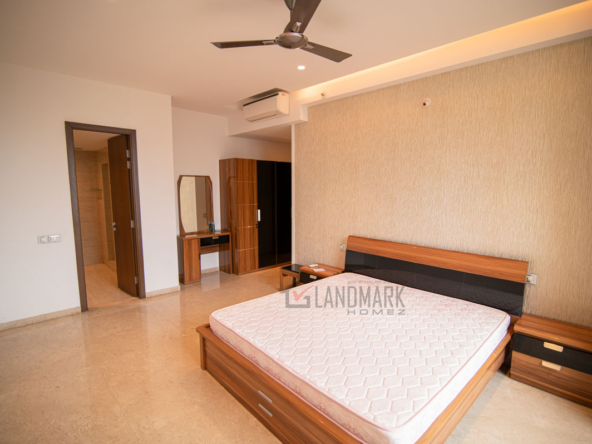
4 BHK Flat in Willowcrest
Willowcrest, One Hiranandani Park, Ghodbunder road, Thane (W) - 400607 Details
4 years ago
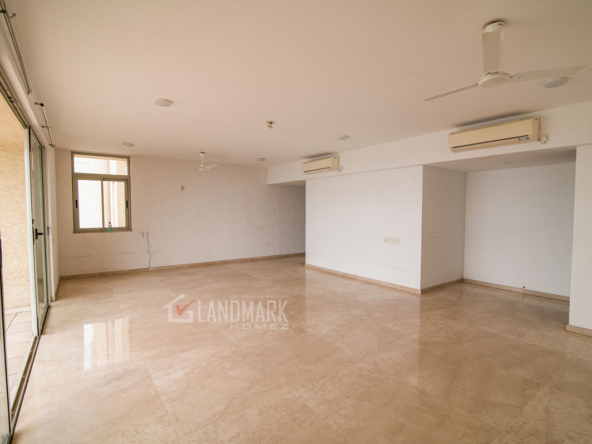
4 BHK Flat in Leona
Leona, Rodas Enclave, Hiranandani Estate, Ghodbunder road, Thane (W) - 400607 Details
4 years ago
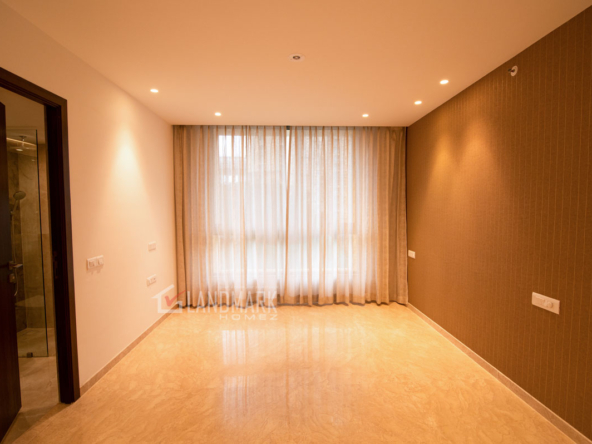
3 BHK Flat in Glenwood
Glenwood, Hiranandani Estate, Ghodbunder road, Thane (W) - 400607 Details
4 years ago

3 BHK Flat in Glendale
Glendale, Hiranandani Estate, Ghodbunder road, Thane (W) - 400607 Details
4 years ago
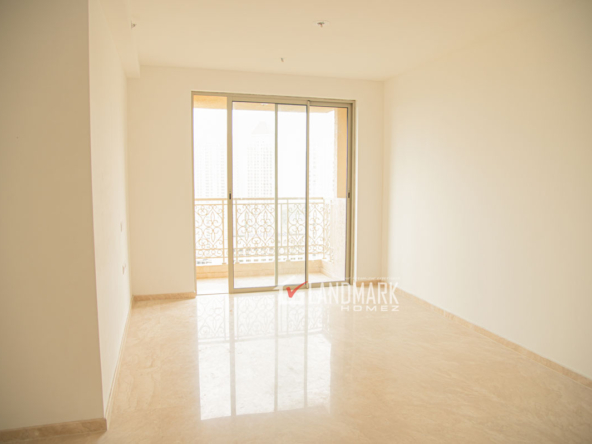
3 BHK Flat in Eagleridge
Eagleridge, Hiranandani Estate, Ghodbunder road, Thane (W) - 400607 Details
4 years ago

2 BHK Flat in Delanna
Delanna, Hiranandani Estate, Ghodbunder road, Thane (W) - 400607 Details
4 years ago
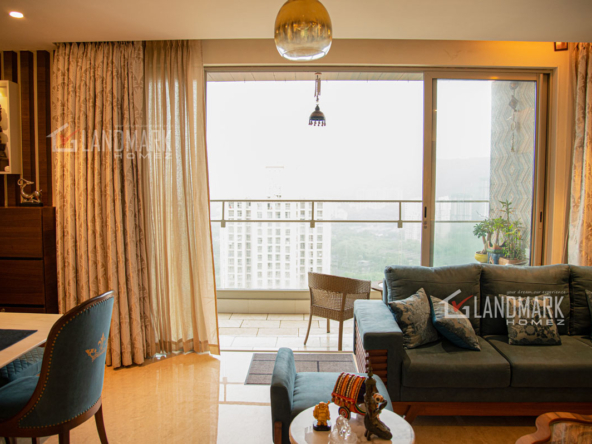
3 BHK Flat in Clifton
Clifton, One Hiranandani Park, Ghodbunder road, Thane (W) - 400607 Details
4 years ago
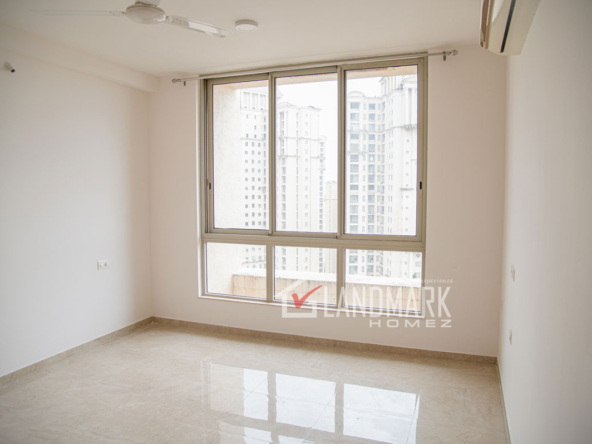
3 BHK Flat in Cardinal
Cardinal, Hiranandani Estate, Ghodbunder road, Thane (W) - 400607 Details
4 years ago
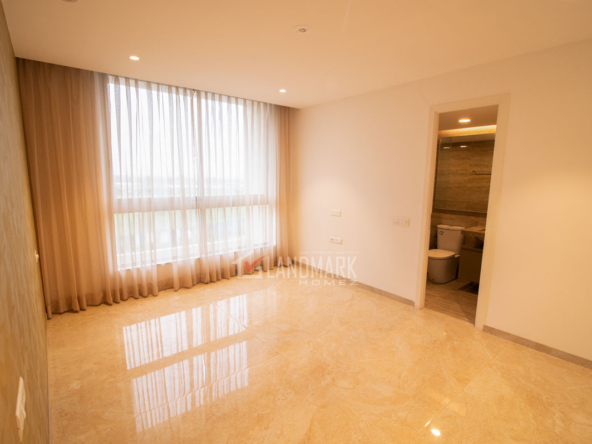
5 BHK Flat in Basilius, Rodas Enclave
Basilius, Rodas Enclave, Hiranandani Estate, Ghodbunder road, Thane (W) - 400607 Details
4 years ago
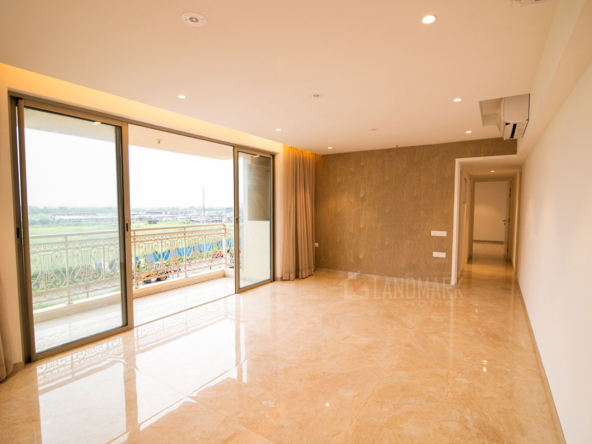
3BHK Flat in Aralia
Aralia, Hiranandani Estate, Ghodbunder road, Thane (W) - 400607 Details
4 years ago
