

myrtiscleary71
Property Types
- 100% Residential
Property Status
- 70% For Sale
- 30% For Rent
Property Cities
- 100% Thane
About myrtiscleary71
The Insider’s Playbook for Turning Loyalty Points into Suite Doors
Every seasoned traveler remembers the sting: the night they logged into their account to redeem points for a dream stay, only to discover the redemption chart had quietly doubled. Loyalty program devaluations are as old as the programs themselves, and understanding this history is essential if you’re trying to decide on the best hotel loyalty program for your travel habits in 2026 and beyond.
For readers actively comparing programs side by side, it helps to bookmark a resource that tracks policy changes across brands, since expiration rules and point valuations shift more often than most guests realize. Reviewing a current luxury hotels & resorts guide guide before making a major redemption decision can prevent both wasted points and missed transfer opportunit
Hotel points have never held fixed value. Unlike currency, they’re a promotional tool controlled entirely by the issuing brand, which means the goalposts move whenever a company decides its liabilities have grown too large or its redemption costs too generous. Award charts get revised, peak and off-peak pricing gets introduced, and dynamic pricing models replace predictable fixed-award charts almost overnight.
Membership tiers escalate based on nights stayed and money spent, unlocking perks such as room upgrades, early check-in, late check-out, and complimentary amenities like breakfast or spa credits. Higher tiers also grant access to exclusive experiences negotiated directly with participating properties, something that generic point systems rarely offe
The best hotel loyalty program for someone traveling alone typically offers low elite-status thresholds, generous point-earning ratios on single-occupancy bookings, and lounge access that turns a solitary evening into a social or restful one. Status recognition also matters emotionally-solo travelers frequently cite feeling ”seen” by staff as a major factor in brand loyalty. Elite Status Without the Grind Programs that allow status matching or fast-track qualification are especially valuable for solo travelers who may not hit high annual night counts. Some brands offer complimentary trial status or accelerated tiers for travelers who book directly and enroll early.
Comparing Long-Term Value Beyond Just Expiration While expiration policy matters, it shouldn’t be the only factor in choosing where to concentrate your loyalty. A program with a slightly shorter activity window but significantly better redemption value, more flexible award availability, or stronger elite perks may still outperform a program with lenient expiration but mediocre earning rates. The healthiest approach treats expiration as one variable among several, alongside point value, transfer partners, and how easily elite status can be earned or maintai
Conclusion Hotel loyalty points represent real financial value, and letting them lapse due to inactivity is one of the most avoidable mistakes a frequent traveler can make. By understanding each brand’s specific expiration timeline, keeping accounts active through small qualifying transactions, and staying informed about program updates, you can protect years of accumulated rewards and put them toward the trips that matter m
There’s a particular kind of joy in walking into a hotel restaurant, being waved past the ”please wait to be seated” sign, and settling into a table with a view while someone pours coffee before you’ve even asked. That small ritual, more than free nights or room upgrades, is often what elite hotel loyalty members remember most fondly. Breakfast, it turns out, is the great equalizer and the great differentiator all at once among luxury hospitality progr
That said, size cuts both ways. Smaller programs offer fewer redemption options and less network breadth, so even a stable points value doesn’t always translate into practical flexibility when you’re trying to book during peak travel dates. Diversifying your loyalty across a couple of programs, rather than betting everything on one, remains a smart hedge against future devaluation shocks.
Luxury-focused programs tend to be more lenient, partly because their members already spend heavily to reach elite status. The four seasons hotel loyalty program, known as Four Seasons Preferred Partner and its newer membership tiers, ties benefits more to relationship status and spend history than to a strict points-expiration calendar, though redeemable credits and perks still carry usage windows worth tracking clos
Before diving into specific brands, it’s worth noting how these programs compare to airline loyalty programs, which many solo travelers already navigate for status matching and point transfers. Combining hotel and airline loyalty strategically can multiply the value of every solo trip. For travelers researching options methodically, checking luxury hotels & resorts guide before committing to a single ecosystem can save both money and frustration down the road.
The Fairmont and Accor Approach The fairmont hotel loyalty program now operates under the ALL – Accor Live Limitless umbrella, which uses a rolling expiration system based on the most recent qualifying activity within the calendar year. This means points earned in one year can expire the following year if no new stays or point-earning purchases occur, making it one of the more time-sensitive programs among major luxury gro
Sort by:
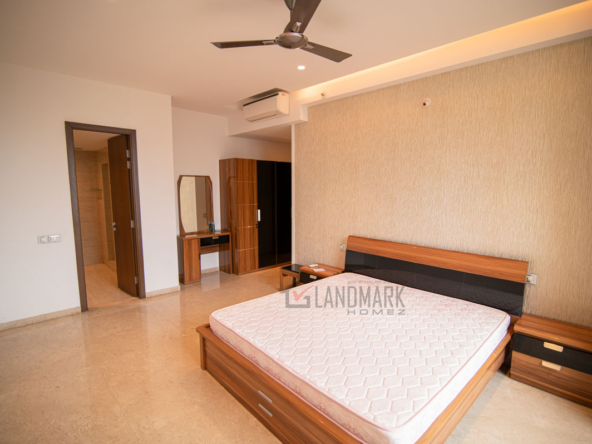
4 BHK Flat in Willowcrest
Willowcrest, One Hiranandani Park, Ghodbunder road, Thane (W) - 400607 Details
4 years ago
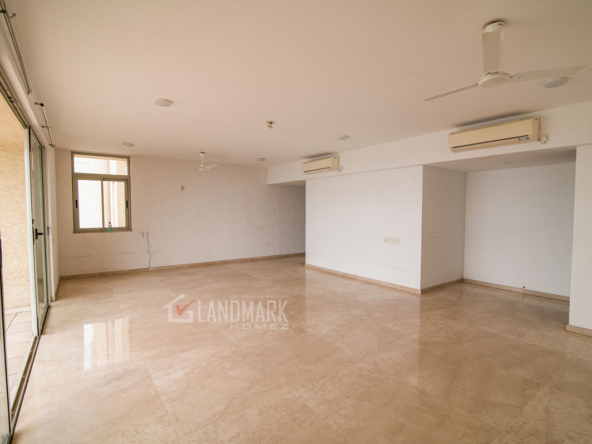
4 BHK Flat in Leona
Leona, Rodas Enclave, Hiranandani Estate, Ghodbunder road, Thane (W) - 400607 Details
4 years ago
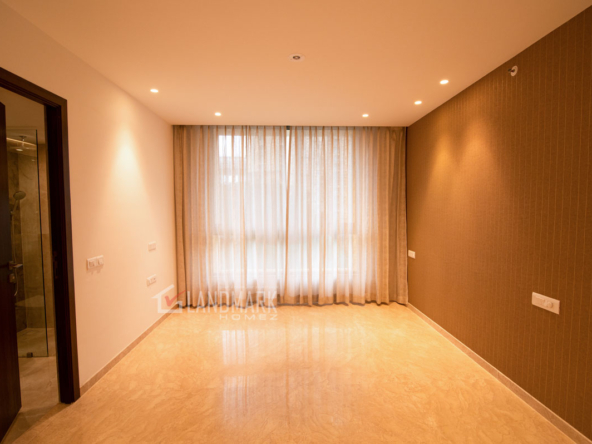
3 BHK Flat in Glenwood
Glenwood, Hiranandani Estate, Ghodbunder road, Thane (W) - 400607 Details
4 years ago

3 BHK Flat in Glendale
Glendale, Hiranandani Estate, Ghodbunder road, Thane (W) - 400607 Details
4 years ago
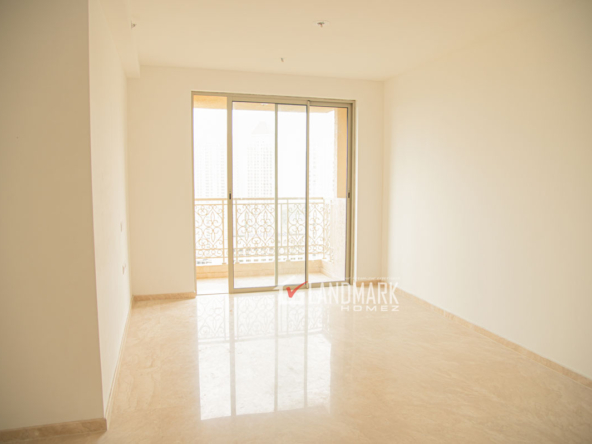
3 BHK Flat in Eagleridge
Eagleridge, Hiranandani Estate, Ghodbunder road, Thane (W) - 400607 Details
4 years ago

2 BHK Flat in Delanna
Delanna, Hiranandani Estate, Ghodbunder road, Thane (W) - 400607 Details
4 years ago
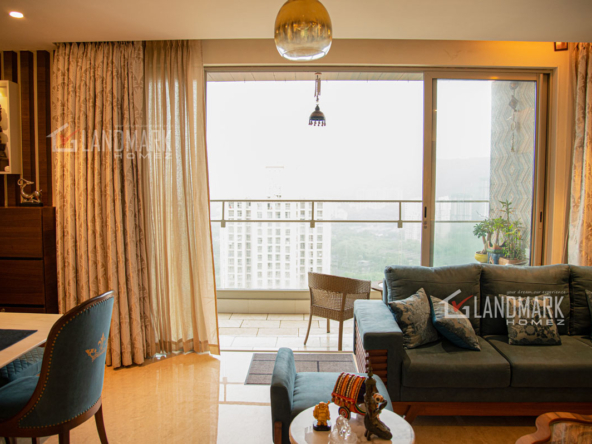
3 BHK Flat in Clifton
Clifton, One Hiranandani Park, Ghodbunder road, Thane (W) - 400607 Details
4 years ago
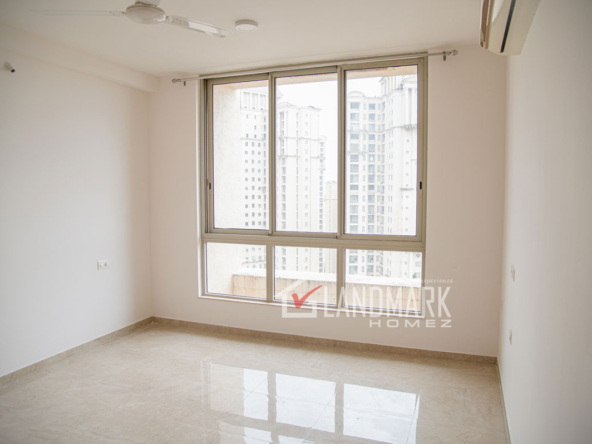
3 BHK Flat in Cardinal
Cardinal, Hiranandani Estate, Ghodbunder road, Thane (W) - 400607 Details
4 years ago
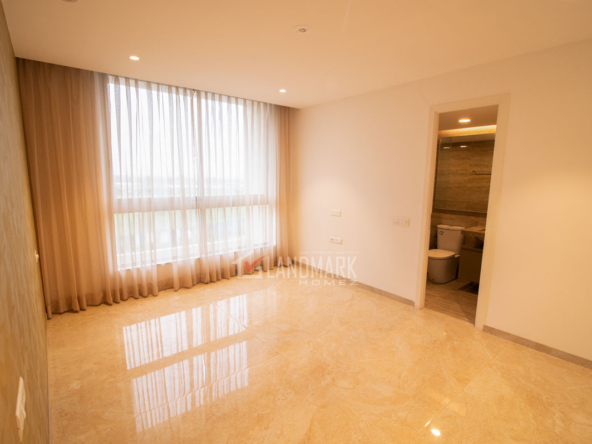
5 BHK Flat in Basilius, Rodas Enclave
Basilius, Rodas Enclave, Hiranandani Estate, Ghodbunder road, Thane (W) - 400607 Details
4 years ago
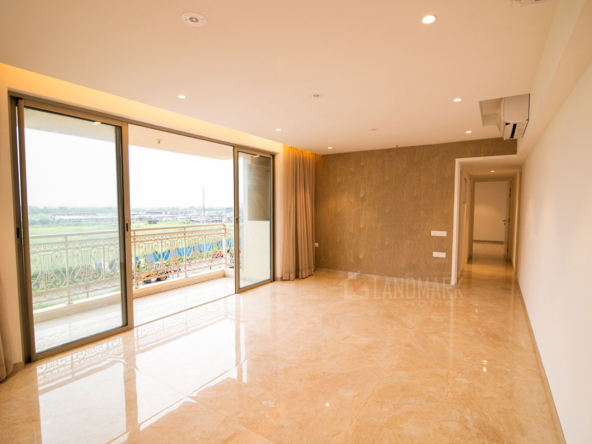
3BHK Flat in Aralia
Aralia, Hiranandani Estate, Ghodbunder road, Thane (W) - 400607 Details
4 years ago
