

novella90c4552
Property Types
- 100% Residential
Property Status
- 70% For Sale
- 30% For Rent
Property Cities
- 100% Thane
About novella90c4552
In the modern digital environment, users rely on digital tools to feel more confident about their choices.
They read descriptions carefully, paying attention to amenities and location supported by local layout.
Where people once relied on slower, more limited channels, users now look to the web for answers, inspiration, and direction. Human psychology plays a major role in digital behaviour.
This is why online reviews, comparison articles, and user‑generated content remain so important.
Accommodation research is a major part of the process, and people evaluate options using property visuals. If you have any queries with regards to where by and how to use marketing help, you can contact us at our own site. One of the strengths of digital research is the ease of evaluating multiple options.
Pausing to reflect, reviewing information, and checking credibility all contribute to greater confidence.
Many travelers rely on digital communities for advice, turning to forums filled with practical guidance.
This structure helps them avoid unnecessary travel and maintain steady rhythm throughout the journey. The web offers limitless information for those willing to explore.
This nonlinear movement mirrors real exploration. Searchers benefit from checking publication dates, reviewing citations, and reading from several platforms. This analysis highlights the strongest choice.
These spaces offer firsthand experiences that help people avoid common mistakes using group knowledge.
They adjust schedules, shift activities, or explore new areas supported by adaptive mindset.
Food research is another essential part of travel planning, and people explore dining options using dish galleries. Searchers examine structure, clarity, and supporting data. A collection of strong reviews can boost confidence, while bad experiences can push shoppers toward alternatives. When a user is anxious, they look for reassurance.
Every side‑route contributes context.
Travelers often trust these discussions because they feel grounded in lived experience. Ultimately, online decision‑making is a blend of research, comparison, evaluation, and emotional awareness. As the trip takes shape, people build itineraries supported by activity lists.
Comparison websites, product review platforms, and retailer listings all play a major role in shaping purchasing decisions.
Comparison is another powerful tool for reducing risk online. Managing emotions results in clearer thinking. As users evaluate different items, users consider multiple elements. Whether the user is cautious, analytical, or simply curious, comparison is a valuable method. Shoppers increasingly rely on online information to guide their choices.
Users jump between sources, compare interpretations, and revisit earlier steps.
This helps them choose the most efficient path based on travel style. Whether the user wants to buy something, fix something, or simply learn, comparison is an essential step. Many businesses use this information to create more targeted guides, expand high‑performing topics, or update older content to keep it relevant.
They compare cuisines, prices, and atmosphere supported by review snippets. They check schedules, travel times, and connection details supported by timing charts.
These practices protect users from low‑quality or deceptive content.
Evaluating source quality is essential for confident decisions.
However, even with strong marketing help campaigns, users still rely heavily on independent information. When unexpected changes occur, travelers adapt using new options. Digital exploration rarely follows a straight line. This evolution has changed expectations, habits, and decision‑making processes.
This adaptability often leads to new favorites.
Discovering accurate information demands smart searching, comparison, and verification.
When details are inconsistent, individuals become skeptical. These details help them choose places that match taste preference.
Individuals who combine curiosity with careful evaluation will always be better equipped to make informed choices in an increasingly complex digital world. A frequent purpose of digital searching is to compare products.
These habits lead to more confident choices.
Reviews marketing help them understand what to expect through guest stories. Over time, this leads to stronger engagement and more consistent traffic. This pattern affects how people interpret information. Consumers want evidence that they are making the right choice.
Online reviews are especially influential. These include cost, specifications, long‑term reliability, manufacturer credibility, and user experiences. However, the real skill lies in evaluating information critically.
Content performance is equally important. They organize activities by proximity, time, and interest using location bundling. Individuals review strengths, weaknesses, and overall suitability.
Transportation planning also plays a key role, with travelers comparing routes using train lookups. Your data reveals which topics resonate with your audience, helping you plan future posts more strategically.
This trend encourages companies to maintain quality. When content is well‑supported, individuals move forward decisively.
 Searchers can examine different sources side by side to identify patterns.

Sort by:
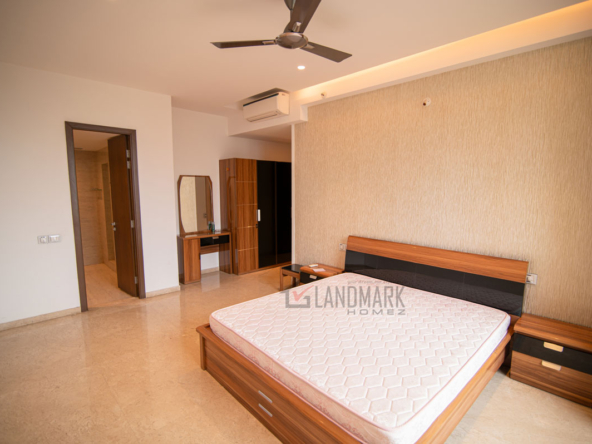
4 BHK Flat in Willowcrest
Willowcrest, One Hiranandani Park, Ghodbunder road, Thane (W) - 400607 Details
4 years ago
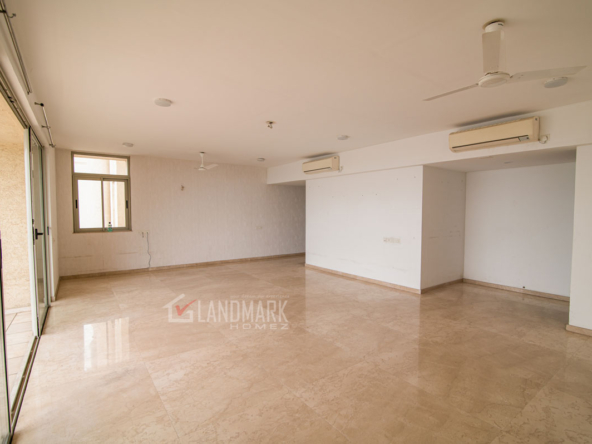
4 BHK Flat in Leona
Leona, Rodas Enclave, Hiranandani Estate, Ghodbunder road, Thane (W) - 400607 Details
4 years ago
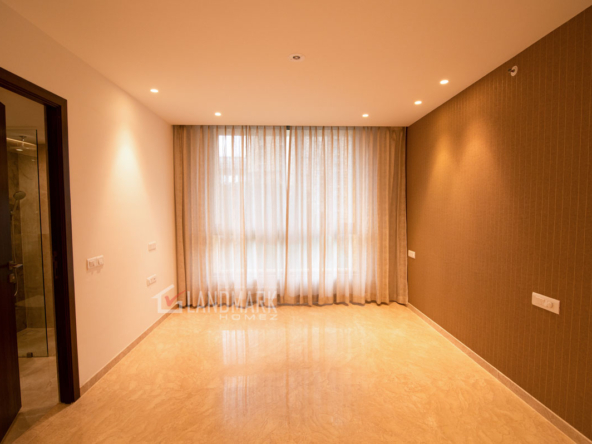
3 BHK Flat in Glenwood
Glenwood, Hiranandani Estate, Ghodbunder road, Thane (W) - 400607 Details
4 years ago

3 BHK Flat in Glendale
Glendale, Hiranandani Estate, Ghodbunder road, Thane (W) - 400607 Details
4 years ago
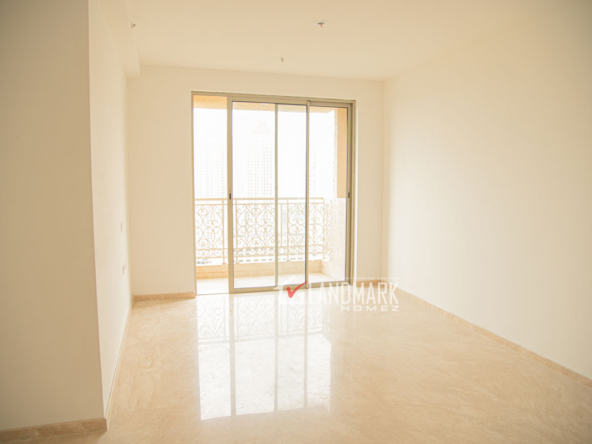
3 BHK Flat in Eagleridge
Eagleridge, Hiranandani Estate, Ghodbunder road, Thane (W) - 400607 Details
4 years ago

2 BHK Flat in Delanna
Delanna, Hiranandani Estate, Ghodbunder road, Thane (W) - 400607 Details
4 years ago
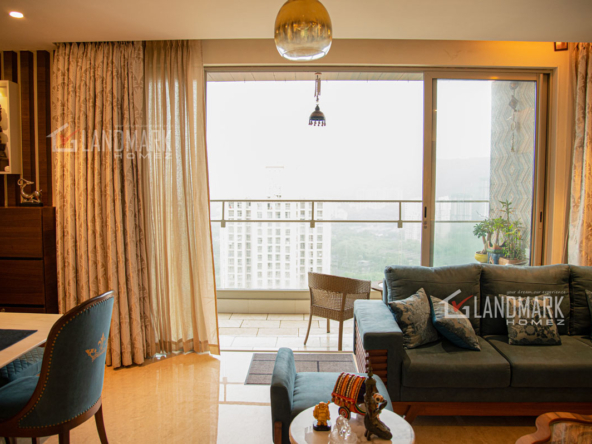
3 BHK Flat in Clifton
Clifton, One Hiranandani Park, Ghodbunder road, Thane (W) - 400607 Details
4 years ago
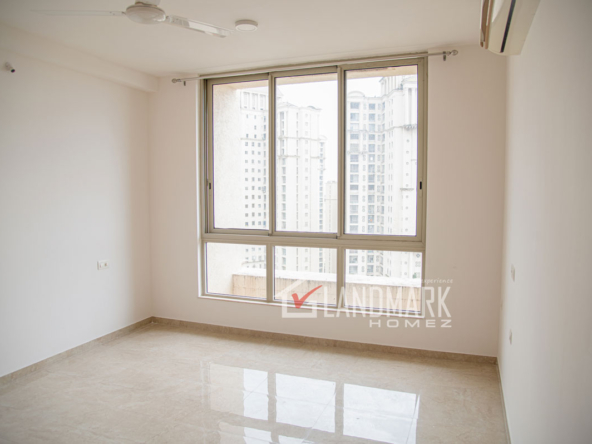
3 BHK Flat in Cardinal
Cardinal, Hiranandani Estate, Ghodbunder road, Thane (W) - 400607 Details
4 years ago
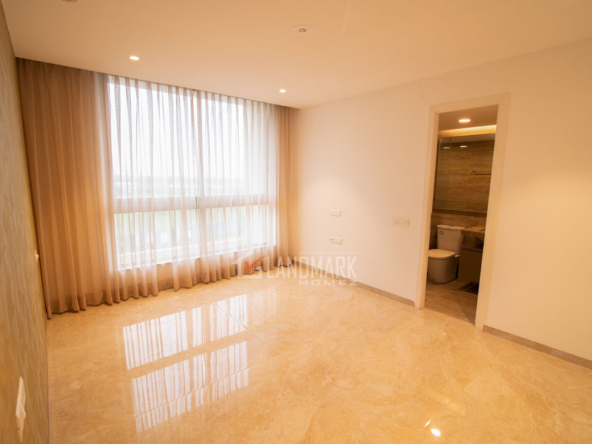
5 BHK Flat in Basilius, Rodas Enclave
Basilius, Rodas Enclave, Hiranandani Estate, Ghodbunder road, Thane (W) - 400607 Details
4 years ago
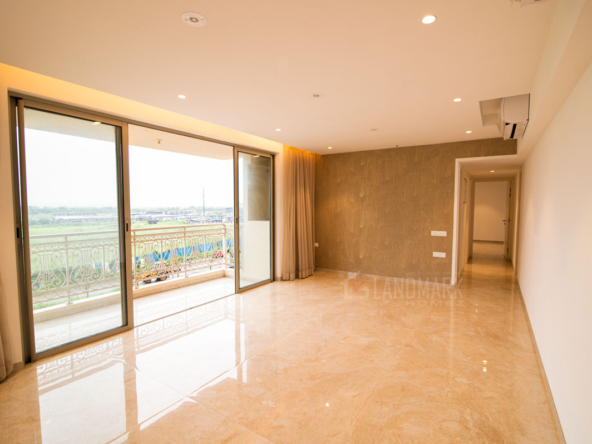
3BHK Flat in Aralia
Aralia, Hiranandani Estate, Ghodbunder road, Thane (W) - 400607 Details
4 years ago
