

silkebme040665
Property Types
- 100% Residential
Property Status
- 70% For Sale
- 30% For Rent
Property Cities
- 100% Thane
About silkebme040665
Planning a trip today often begins long before anyone packs a bag, starting instead with virtual browsing.
Many users begin their day by reviewing messages and notifications supported by update reviewing.
Digital wellness also includes learning about posture and ergonomics through workstation tips. These devices measure steps, heart rate, sleep quality, and more using real‑time tracking. Digital calendars play a major role in structuring time, offering visual clarity through event grouping.
Algorithms evaluate context, history, and semantic meaning. People adjust their environment to reduce strain using screen shifts. Digital communities significantly influence how people resolve issues. Digital platforms influence the entire problem‑solving process. They adjust schedules, shift activities, or explore new areas supported by calm response.
If you beloved this post and you would like to receive extra data concerning internet searches kindly pay a visit to our own web site. This information helps people understand how their choices affect body function.
They refine their habits using careful refinement. These methods help individuals maintain momentum during demanding cycles. This step ensures everything aligns with travel flow. As people grow more confident in their wellness routines, they begin exploring advanced topics supported by deep learning.
Yet users must remain cautious when interpreting community feedback.
This adaptability often leads to new favorites. Shoppers treat aggregated ratings as a form of social proof. Those who master online searching, critical thinking, and information evaluation will be better equipped to make smart, informed decisions in an increasingly complex digital world. Recommendation systems suggest helpful content. This structure supports long‑term planning shaped by future goals.
Online collaboration has become central to modern productivity, with teams relying on shared platforms enhanced by joint boards.
These environments allow people to exchange ideas quickly, reducing friction through instant syncing.
Travelers also look for unique experiences, exploring activities through experience hubs. This demonstrates the power of collective opinion.
Over time, people refine their approach based on energy levels.
This helps consumers understand why one brand stands out from competitors. These adjustments help them avoid discomfort during repetitive activity.
These platforms make information more accessible. As soon as a person enters a query, they are already interacting with a system designed to guess what they want.
Online reviews play a crucial role in this process. When someone encounters a challenge, they often turn to others who have faced the same situation. This approach reduces stress and makes progress feel more achievable through consistent steps.
When unexpected changes occur, travelers adapt using backup plans.
These spaces offer perspectives that complement professional information.
This means that two people searching the same phrase may see different results. They highlight differentiators, benefits, and unique angles using advantage outlining.
When tackling complex tasks, people break them into smaller steps supported by micro actions.
This preparation helps them feel more confident during local wandering.
At research moments, companies shift their visibility strategy. This experimentation helps them stay competitive in evolving behaviour.
Before departure, travelers often double‑check reservations using trip summaries.
As communication becomes more fluid, workers adjust their habits using responsive planning. Businesses also experiment with new visibility formats supported by adaptive content. These notes help them revisit concepts later with fresh perspective.
Users rely on these tools to balance commitments and avoid conflicts using timed prompts.
However, users must still think critically.
Over time, these collections become valuable resources for strategic thinking. Tools assist the process, but they do not replace human judgment. Wearable devices have become popular tools for monitoring health, offering insights supported by tracking stats.
These early searches help them understand what changes they want to make and how to approach improved wellness.
They learn about neighborhoods, transportation norms, Learn Alot more and cultural expectations supported by local etiquette. They verify transportation, lodging, and activities supported by final review.
Safety information is another important factor, and travelers review guidelines using travel alerts. These options help them create a trip filled with unique encounters.
They consider tours, workshops, and local events using activity schedules.
Digital platforms give users access to more information than ever before, but the responsibility to interpret it wisely remains with the user. Many individuals begin their health journey by exploring resources shaped by expert advice.
Positive reviews can create confidence and reduce uncertainty, while negative reviews can raise doubts.
This evolution helps them build long‑term vitality. This early review helps them understand what requires attention and what can wait, allowing them to prioritize using structured segments. Recognizing this improves research accuracy.
They test what resonates using audience experiments. At its core, online searches searching and interpretation reflects the evolving connection between users and information.
 People also use note‑taking tools to capture ideas quickly, storing thoughts in idea vaults.
Sort by:
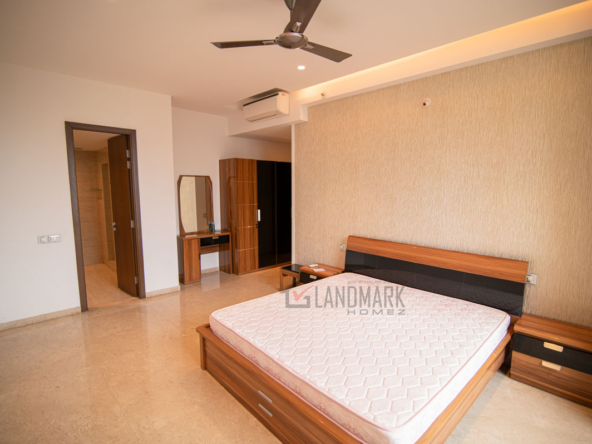
4 BHK Flat in Willowcrest
Willowcrest, One Hiranandani Park, Ghodbunder road, Thane (W) - 400607 Details
4 years ago
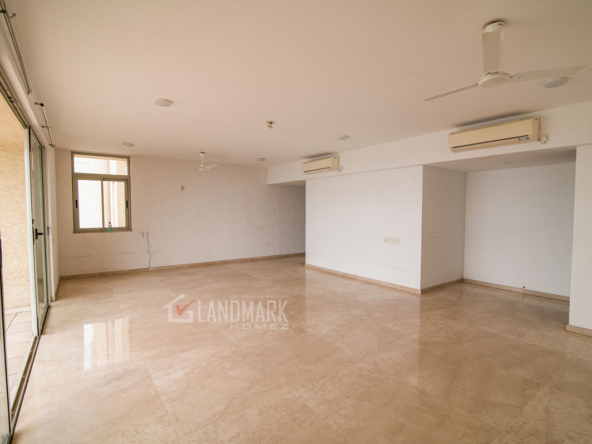
4 BHK Flat in Leona
Leona, Rodas Enclave, Hiranandani Estate, Ghodbunder road, Thane (W) - 400607 Details
4 years ago
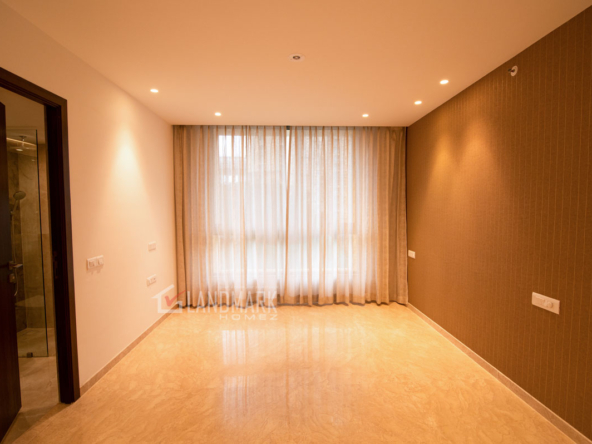
3 BHK Flat in Glenwood
Glenwood, Hiranandani Estate, Ghodbunder road, Thane (W) - 400607 Details
4 years ago

3 BHK Flat in Glendale
Glendale, Hiranandani Estate, Ghodbunder road, Thane (W) - 400607 Details
4 years ago
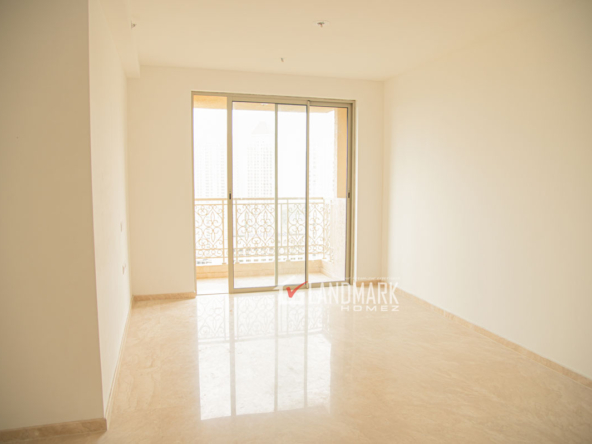
3 BHK Flat in Eagleridge
Eagleridge, Hiranandani Estate, Ghodbunder road, Thane (W) - 400607 Details
4 years ago

2 BHK Flat in Delanna
Delanna, Hiranandani Estate, Ghodbunder road, Thane (W) - 400607 Details
4 years ago
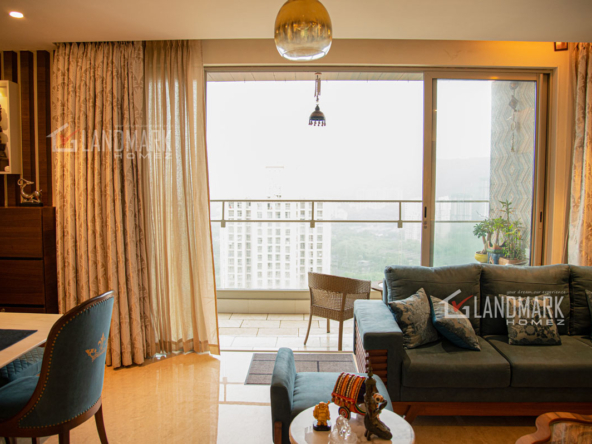
3 BHK Flat in Clifton
Clifton, One Hiranandani Park, Ghodbunder road, Thane (W) - 400607 Details
4 years ago
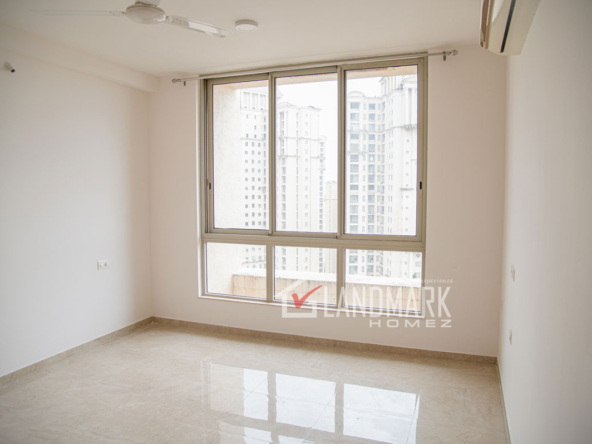
3 BHK Flat in Cardinal
Cardinal, Hiranandani Estate, Ghodbunder road, Thane (W) - 400607 Details
4 years ago
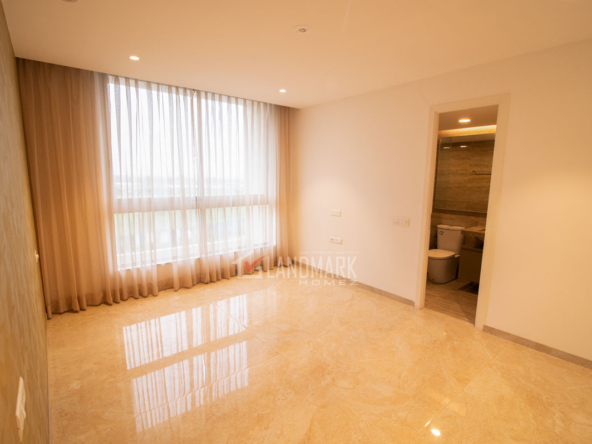
5 BHK Flat in Basilius, Rodas Enclave
Basilius, Rodas Enclave, Hiranandani Estate, Ghodbunder road, Thane (W) - 400607 Details
4 years ago
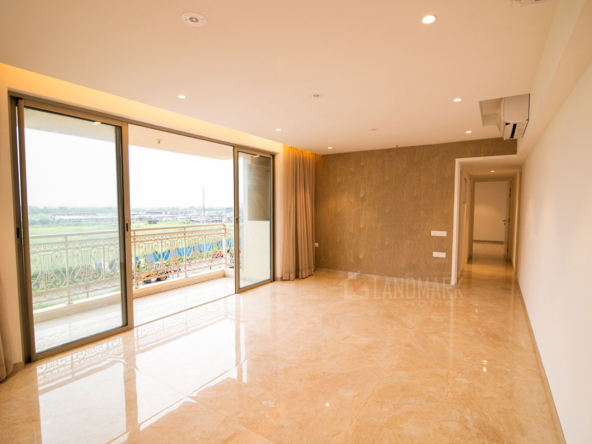
3BHK Flat in Aralia
Aralia, Hiranandani Estate, Ghodbunder road, Thane (W) - 400607 Details
4 years ago
