ybvjamika0695
Property Types
- 100% Residential
Property Status
- 70% For Sale
- 30% For Rent
Property Cities
- 100% Thane
About ybvjamika0695
Courts of law in Northern Ireland are a distinctive part of the United Kingdom’s legal framework.
For some types of cases, law courts in the UK also provide free resources to help individuals represent themselves. These resources include legal guides, online advice, and links to community organizations that offer legal support. There are also self-help kiosks available in some court buildings, where individuals can access information about their case and get assistance with completing legal forms.
Magistrates courts are responsible for handling less serious criminal cases, such as summary offences, small civil claims, and family matters. These courts are the most numerous in the UK, and their administration is often handled at the local level by administrative staff who ensure that hearings are scheduled, documents are processed, and cases are heard in a timely manner.
 In recent years, there has been a effort to modernise within the UK court system. The goal is to improve the efficiency and accessibility of the courts by introducing digital systems for case filing, remote hearings, and case management. For example, the Ministry of Justice has implemented a number of digital tools that allow legal professionals and the public to interact with the court system online. These changes are designed to improve transparency in the legal system.
The rise of digital technology in courtrooms has led to the creation of ”virtual courts,” where proceedings can take place entirely online. This trend has been accelerated by the COVID-19 pandemic, which forced many courts to adopt virtual hearings as a means of continuing legal proceedings while maintaining social distancing. As a result, some court buildings are now designed with the infrastructure to support both in-person and virtual hearings, with dedicated spaces for video conferencing and other digital technologies.
The structure of a court building is also carefully considered in its design. Traditional courtrooms are often arranged in a way that emphasizes the formality of the judicial process, with the judge sitting on a raised platform, known as the ”bench,” and the witness stand positioned prominently in front of the judge. This setup reinforces the authority of the court and the importance of the legal process. In recent years, however, some courtrooms have been redesigned to foster a more collaborative and less intimidating environment. For example, some modern courtrooms feature more flexible seating arrangements, where all parties involved in the case – including the judge, lawyers, and defendants – can sit together in a more informal setting. This approach aims to reduce the adversarial nature of the proceedings and make the experience more comfortable for everyone involved.
Despite these efforts, critics argue that more needs to be done to ensure accountability when mistakes happen. Unlike in some countries, UK judges are rarely held personally accountable for erroneous rulings, even when the consequences are severe. Victims of miscarriages of justice may be eligible for compensation, but the process is complex and often adversarial.
Appeals is an important part of the judicial system in the UK, as it allows for decisions to be reviewed and corrected if necessary. However, not all decisions are appealable, and in order to appeal, the appellant must have valid grounds, such as a mistake of law, procedural irregularities, or new evidence that was not available at the time of the original trial.
In addition to the courtroom itself, the overall layout of the court building is designed with the flow of cases in mind. Modern courts are often organized in a way that facilitates the smooth movement of people through the building. This includes the use of wayfinding systems to guide people to the right courtroom, as well as the design of waiting areas that are comfortable and functional. These features are essential in ensuring that court cases can proceed efficiently and that people are not kept waiting for long periods in uncomfortable conditions.
If you loved this article and you would like to acquire additional information concerning legal marketing in az kindly pay a visit to our own web-site. Ultimately, the help provided by law courts in the UK is diverse and multifaceted. From legal aid and support services to the use of technology and special provisions for vulnerable individuals, UK courts aim to ensure that justice is accessible to all. Despite challenges such as funding cuts and an increasing demand for services, the UK justice system continues to offer a range of support mechanisms designed to help individuals navigate the legal process. Whether through free resources, specialized courts, or the use of technology, law courts in the UK are working to make the legal system more inclusive, efficient, and accessible to everyone.
However, contemporary court design has shifted away from this monumental style. Today, there is a growing focus on creating courts that are not only functional but also accessible. The need for accessibility is one of the primary concerns in modern court design, as courts must be open and usable for everyone, regardless of their physical ability or social background. This has led to the incorporation of inclusive design in many new court buildings.
Sort by:
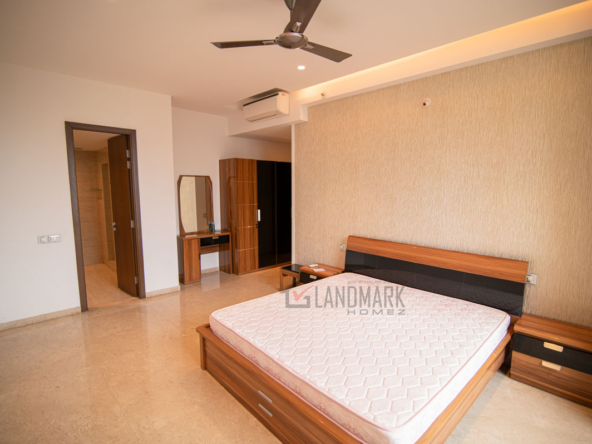
4 BHK Flat in Willowcrest
Willowcrest, One Hiranandani Park, Ghodbunder road, Thane (W) - 400607 Details
4 years ago
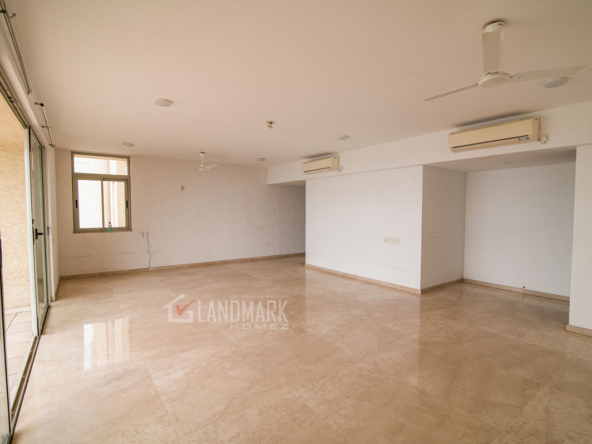
4 BHK Flat in Leona
Leona, Rodas Enclave, Hiranandani Estate, Ghodbunder road, Thane (W) - 400607 Details
4 years ago
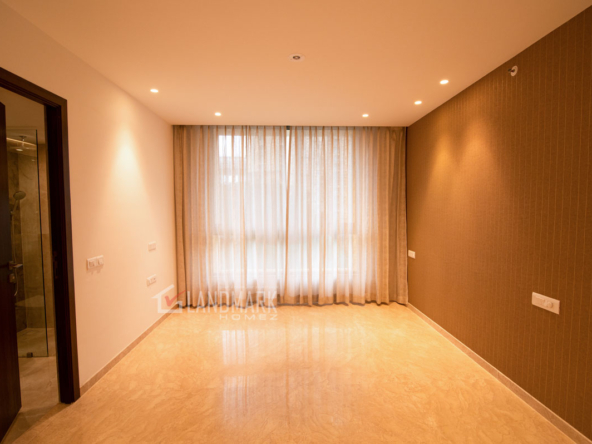
3 BHK Flat in Glenwood
Glenwood, Hiranandani Estate, Ghodbunder road, Thane (W) - 400607 Details
4 years ago

3 BHK Flat in Glendale
Glendale, Hiranandani Estate, Ghodbunder road, Thane (W) - 400607 Details
4 years ago
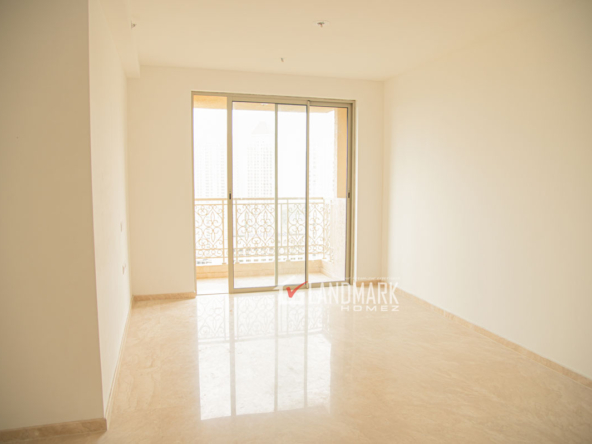
3 BHK Flat in Eagleridge
Eagleridge, Hiranandani Estate, Ghodbunder road, Thane (W) - 400607 Details
4 years ago

2 BHK Flat in Delanna
Delanna, Hiranandani Estate, Ghodbunder road, Thane (W) - 400607 Details
4 years ago
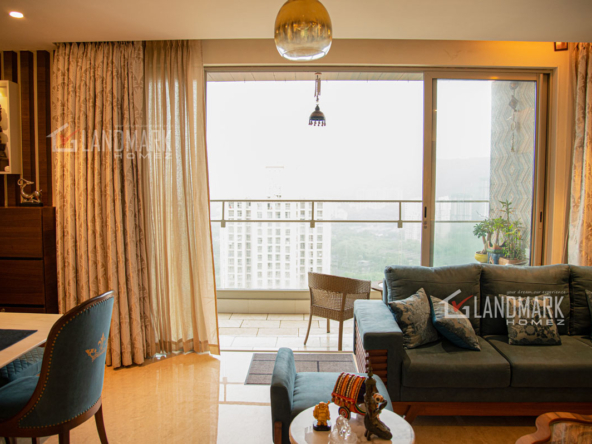
3 BHK Flat in Clifton
Clifton, One Hiranandani Park, Ghodbunder road, Thane (W) - 400607 Details
4 years ago
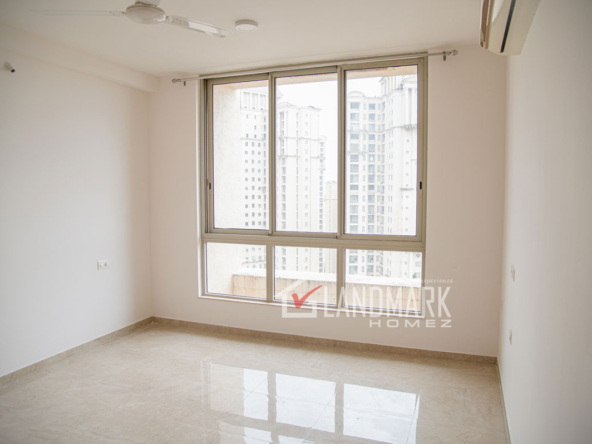
3 BHK Flat in Cardinal
Cardinal, Hiranandani Estate, Ghodbunder road, Thane (W) - 400607 Details
4 years ago
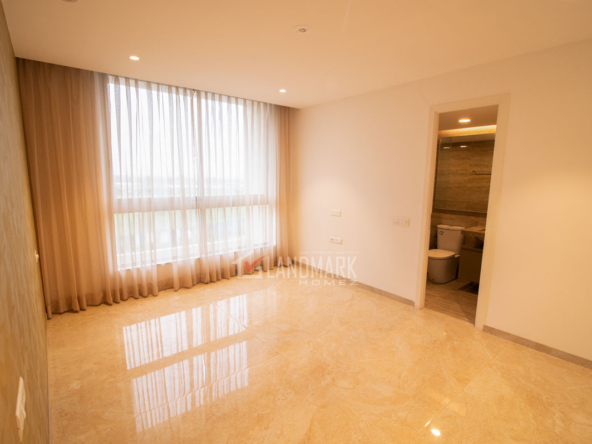
5 BHK Flat in Basilius, Rodas Enclave
Basilius, Rodas Enclave, Hiranandani Estate, Ghodbunder road, Thane (W) - 400607 Details
4 years ago
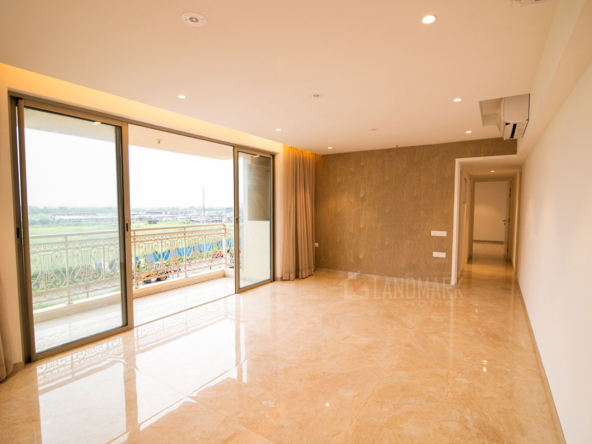
3BHK Flat in Aralia
Aralia, Hiranandani Estate, Ghodbunder road, Thane (W) - 400607 Details
4 years ago